Cyprus packs a startling amount into an island you can drive across in three hours: Roman mosaics trodden by centuries of feet, pine forests 1,900 metres above the sea, and coves where the water shifts from jade to cobalt in the space of a single step. Whether you come for archaeology, swimming or mountain villages where the wine is still poured from clay jugs, the island rewards slow travel and a willingness to leave the beach towel behind.
Beaches and Coastal Escapes: Where Cyprus Meets the Sea
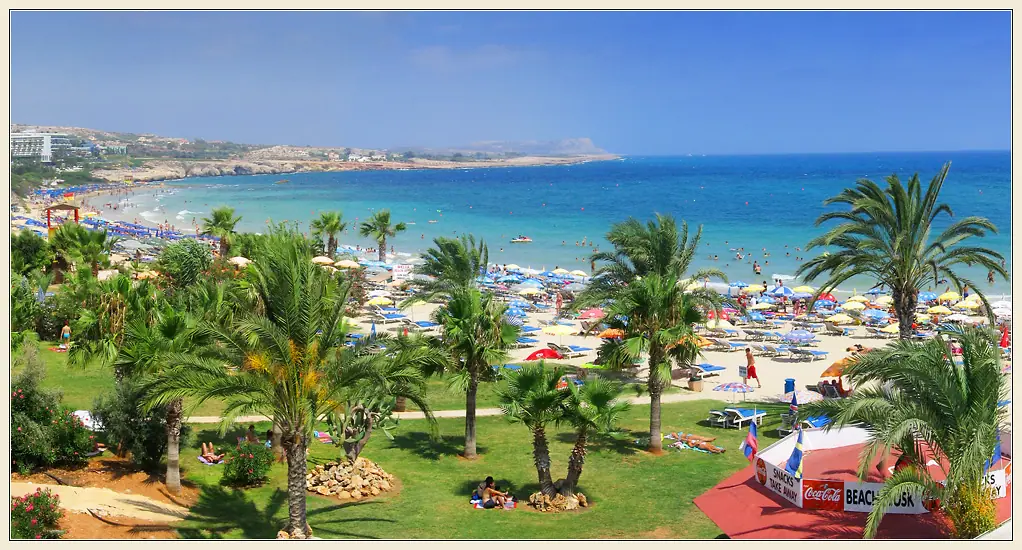
The island's coastline is almost 650 kilometres long, and the swimming is famously easy. Nissi Beach near Ayia Napa delivers the postcard shot — pale sand, a shallow sandbar you can wade to, and warm water from May well into November. For something calmer, Fig Tree Bay in Protaras and the pine-backed horseshoe of Konnos Bay offer gentler crowds and glassy water, while Cape Greco's sculpted sea caves at the island's south-eastern tip are best explored with a mask and snorkel.
On the western side, Coral Bay near Paphos is the family favourite, and Petra tou Romiou — the Rock of Aphrodite, rising offshore from a pebbled beach on the Paphos–Limassol road — is the island's most myth-soaked swimming spot, said to be where the goddess emerged from the foam. Further west, the protected Akamas Peninsula hides the Blue Lagoon, reachable only by boat, on foot along the Aphrodite Trail, or in a sturdy 4x4.
Turtle lovers should head to Lara Beach in the Akamas, an unbuilt stretch of sand where green and loggerhead turtles nest between roughly May and August. Zugged, unmarked and deliberately undeveloped, it is a reminder of what much of the coast looked like before tourism arrived. Arrive early, bring shade, and keep your distance from any nest enclosures.
Ancient Ruins and Byzantine Treasures: The Must-See Sights
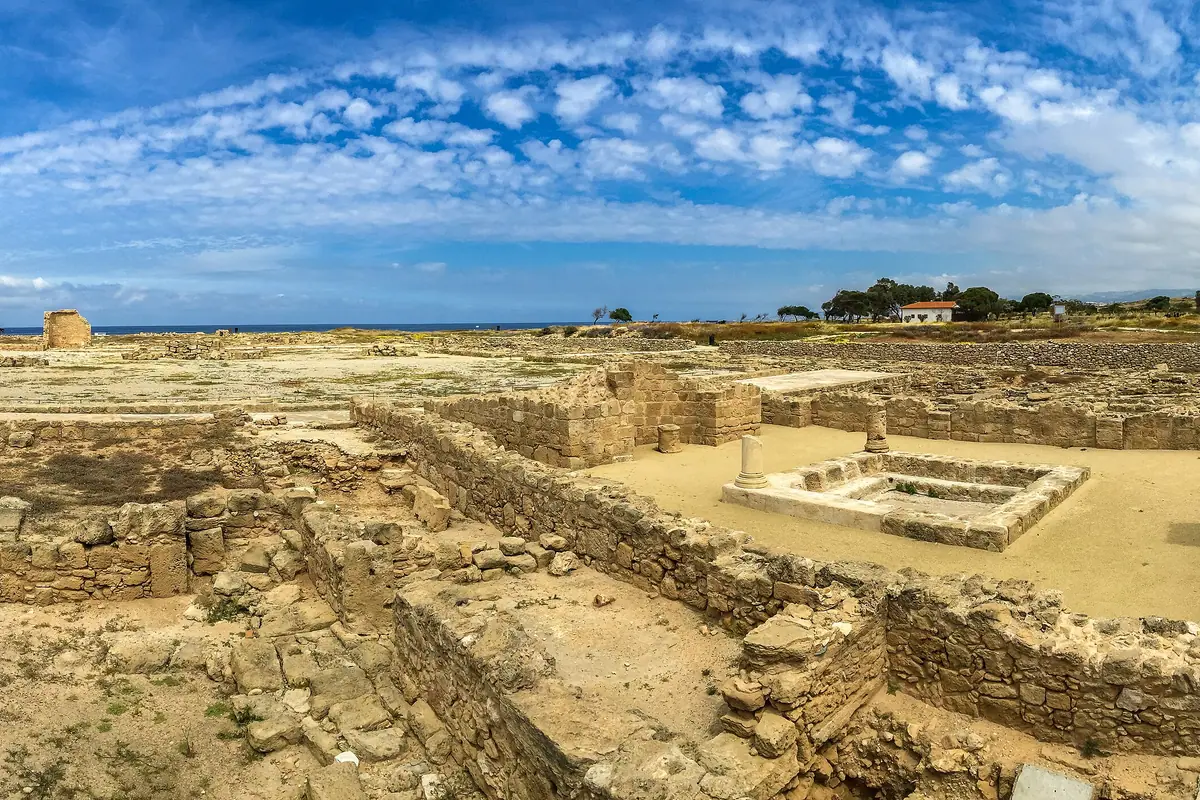
If you see only one archaeological site in Cyprus, make it the Paphos Archaeological Park, a sprawling UNESCO-listed complex where the House of Dionysus preserves floor mosaics of such colour and detail that they look freshly laid. Nearby, the Tombs of the Kings — a misnomer, since the rock-cut chambers belonged to Ptolemaic aristocrats rather than royalty — are hollowed straight into the coastal cliffs and are haunting at golden hour.
On the south coast near Limassol, Kourion is the island's most dramatic Greco-Roman city, its theatre still hosting summer performances above a sweeping bay, with the Sanctuary of Apollo Hylates a short drive away. Limassol itself holds the medieval Limassol Castle and the remains of Ancient Amathus, while inland the square Crusader keep of Kolossi Castle once presided over the vineyards that gave the world Commandaria, a sweet wine still made to a recipe centuries old.
Prehistory buffs should not skip Choirokoitia, a Neolithic settlement of circular stone huts dating back roughly 9,000 years, one of the oldest and best-preserved in the eastern Mediterranean. And the island's Byzantine heritage is scattered across the mountains: the painted churches of the Troodos, including Agios Nikolaos tis Stegis and Panagia tou Araka, are small, dimly lit, astonishing — their frescoes glowing with ochre and lapis after seven centuries.
The Troodos Mountains: Pine Forests, Monasteries and Village Life
Rising to Mount Olympus at 1,952 metres, the Troodos range is Cyprus's cool counterweight to the coast. In July and August, when the beaches hit the high thirties, villagers and smart travellers retreat to Platres, Kakopetria and the cedar-scented trails around Troodos square. Spring carpets the slopes in orchids and cyclamen; winter occasionally brings enough snow for skiing on the upper runs, which makes for the odd pleasure of skiing in the morning and swimming in the afternoon.
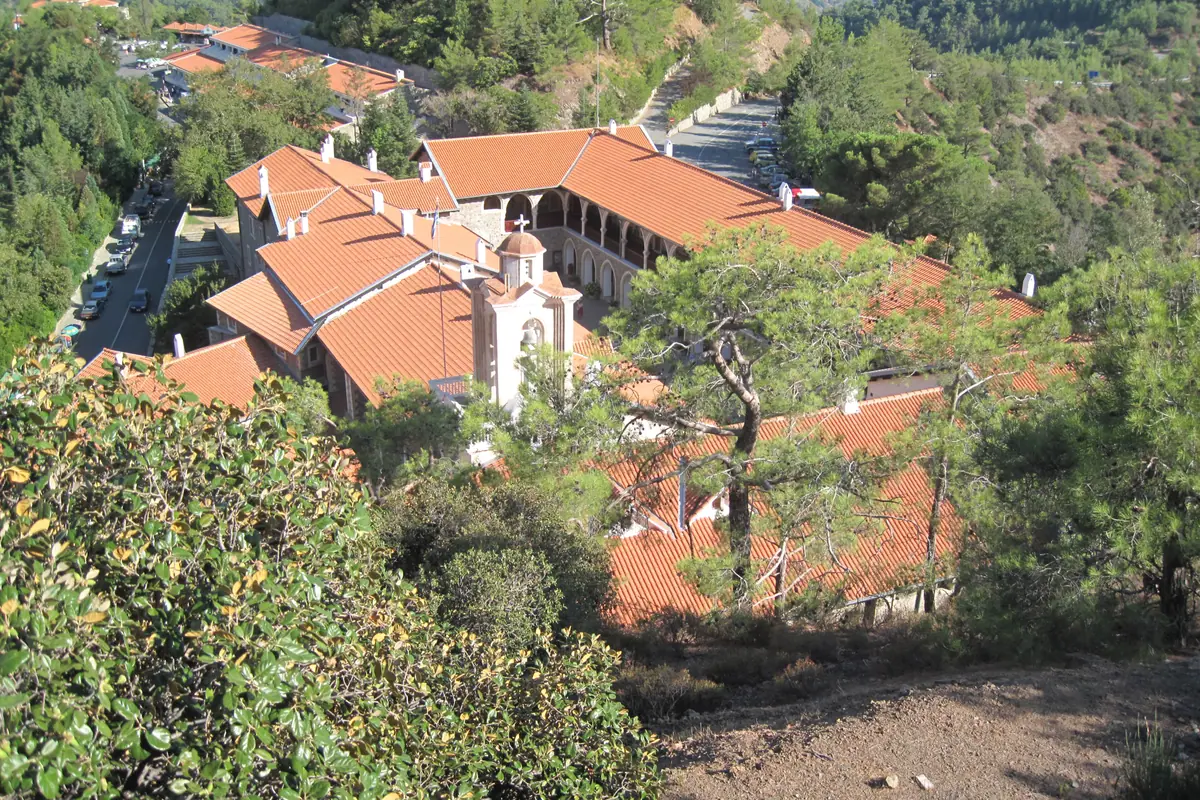
Kykkos Monastery is the mountain's spiritual anchor, a richly gilded complex founded in the eleventh century and home to a much-venerated icon of the Virgin Mary, plus an excellent museum of religious art. From its terrace the forested valleys tumble away toward the sea. Nearby Omodos, a stone-built wine village built around the Timios Stavros monastery, is the place to taste Commandaria, sip a fiery zivania, and buy lace, honey and dried herbs straight from the producer.
Walkers are spoiled. The Artemis and Atalanta trails loop around Mount Olympus, the Caledonia and Millomeris waterfalls give short, shady outings for families, and the gentle paths above Prodromos are excellent in autumn. Bring layers — even in summer, the mountain air at dusk is startlingly cool after a day at sea level.
Nicosia and the Northern Coast: Two Sides of One Island
Split by a buffer zone since 1974, Nicosia is Europe's last divided capital and one of its most absorbing cities. The Cyprus Museum in the south holds the island's finest archaeological collection, while Ledra Street leads pedestrians to a crossing point where a passport or national ID card is all you need to step into the north. On the other side, the Büyük Han caravanserai — a 16th-century courtyard inn now full of cafés and craft stalls — and the Gothic-turned-Selimiye Mosque make for a compact, atmospheric half-day.
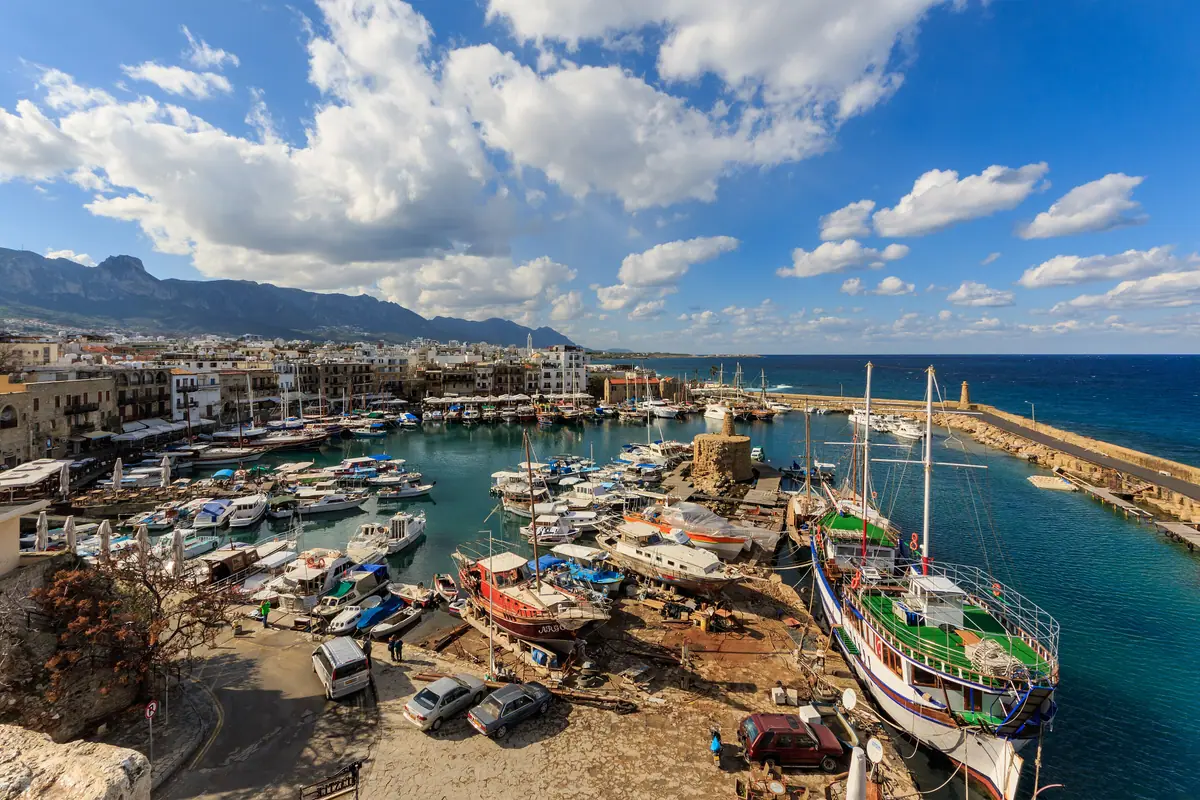
North of the mountains, Kyrenia's horseshoe harbour is one of the prettiest in the Mediterranean, watched over by a castle that houses a remarkably intact ancient shipwreck. Inland, Bellapais Abbey sits among lemon trees with views down to the coast, and the fairy-tale ruin of St Hilarion Castle, said to have inspired a certain animated mountain fortress, clings to a ridge above the plain.
Further east, the Roman city of Salamis near Famagusta spreads over dunes and cypress, with colonnaded streets, baths and a theatre. The wild Karpaz Peninsula beyond is Cyprus at its most empty: long beaches, abandoned villages, and a roaming population of donkeys that will happily investigate an unattended picnic. Allow a full day if you drive out that far.
Adrenaline and the Outdoors: Hiking, Diving and Sea Caves
Cyprus is quietly superb for active travel. The Akamas Peninsula's Aphrodite Trail runs for around seven kilometres along clifftops above the Blue Lagoon, taking three to four hours at an unhurried pace, with swimming at the halfway point if you time the tide right. Inland, Avakas Gorge slices through limestone walls that narrow to a few metres, and Cape Greco's network of paths leads to natural sea arches, hidden caves and cliffs popular with climbers and photographers.
Diving is a genuine draw, largely thanks to the Zenobia, a roll-on roll-off ferry that sank off Larnaca in 1980 and now rests in around 40 metres of water as one of the world's most celebrated wreck dives. Beginners can potter around the shallower wrecks and reef dives near Protaras and Paphos instead, and the visibility on a calm summer day is often over 30 metres.
Above the water, windsurfers and kitesurfers gather on the breezy stretches near Limassol and Larnaca in the afternoon meltemi, sea kayakers paddle the Cape Greco caves, and paragliders launch from the cliffs near Ayia Napa. Mountain bikers gravitate to the Troodos forest tracks in spring and autumn, when the trails are tacky and the temperatures sane.
Food, Wine and Festivals: Tasting the Island
Cypriot food is generous, seasonal and built for sharing. A proper meze can run to twenty small plates — grilled halloumi, lountza smoked pork, kolokasi root vegetable, sheftalia sausages, kleftiko lamb cooked until it falls from the bone — and is best eaten in a village taverna where the owner's wife is doing the cooking. Coastal towns do excellent grilled octopus and fresh fish, while the mountain villages specialise in game, cured meats and heavy, walnutty sweets.
Wine has been made here for millennia, and the Commandaria appellation, centred on the villages south of Troodos, is among the oldest in the world. Omodos and the surrounding wine villages welcome visitors for tastings, and the Limassol Wine Festival each September turns the city parks into a sprawling open-air celebration. Order Commandaria after dinner, ice cold, and you will understand why Crusader knights shipped it home.
When to Go and How to Plan Your Days
Spring is arguably the island's finest season. From late March through May the coast is warm but not scorching, the mountains are green and flowering, and archaeological sites are pleasant to wander for hours. September and October deliver a second sweet spot: the sea is at its warmest after a long summer, the crowds thin out, and the light turns golden. July and August are hot — inland temperatures often top 38°C — so plan beach and mountain time early or late and retreat indoors at midday. Winter is mild on the coast (around 15–17°C) but quiet, with many resort hotels closed.
A week is the sensible minimum if you want coast, mountains and a taste of the north without spending your holiday in a car. Ten days lets you add the Karpaz Peninsula, the Akamas and a few long lunches. Distances are short — Paphos to Ayia Napa is roughly two hours on the motorway — but mountain roads are slow and winding, so allow more time than the map suggests.
Driving is on the left, which suits British visitors and confuses almost everyone else for the first hour. Public buses exist between major towns but are too sparse for serious sightseeing, so renting a car is close to essential. Carry a passport or national ID for the crossing into the north, book popular beach restaurants ahead in August, and remember that many archaeological sites close in the mid-afternoon during the hottest months.
Frequently asked questions
What is the best time of year to visit Cyprus?
Late March to May and September to October are ideal — warm seas, comfortable temperatures for sightseeing, and fewer crowds. July and August are very hot inland, while winter is mild on the coast but quiet, with some resort areas half-shut.
How many days do you need in Cyprus?
Five to seven days covers the main highlights: Paphos and its archaeological park, Kourion near Limassol, a night or two in the Troodos Mountains and some beach time around Ayia Napa or Protaras. Ten days lets you add the Akamas Peninsula and the northern coast around Kyrenia.
Which attractions in Cyprus should not be missed?
Prioritise the Paphos Archaeological Park and the Tombs of the Kings, Kourion with its clifftop theatre, Petra tou Romiou, the painted churches and Kykkos Monastery in the Troodos, and — if you cross into the north — Kyrenia Castle, Bellapais Abbey and the ruins of Salamis.
Do you need a car to get around Cyprus?
Yes, realistically. Buses connect the main towns but run infrequently and rarely reach beaches, gorges or mountain villages. Driving is on the left, roads are generally good, and a compact car is fine for everything except the roughest Akamas tracks.
Can you visit northern Cyprus from the south?
Yes. Crossings are straightforward on foot at Ledra Street in Nicosia or by car at several other checkpoints, and you will need your passport or a national identity card. Insurance and rental car rules differ once you cross, so check with your hire company before driving over.
Plan it — experiences in Cyprus
Live search, booked directly with trusted providers.
Sort the rest of your trip
Everything for Cyprus, in one place
Stay in Cyprus
Hotels, guesthouses and apartments — compared in one search.
Search hotels
Transfer in Cyprus
Private driver waiting on arrival — no queues, no surprises.
Book a transfer
Stay online in Cyprus
Travel eSIM — data the moment you land, no roaming bills.
Get an eSIM