Liberia is West Africa without a crowd — a country of Atlantic surf breaks, crumbling Americo-Liberian mansions and one of the last great stretches of Upper Guinean rainforest. It rewards travellers who like their roads rough, their history complicated and their beaches empty. Here is how to see the best of it.
Monrovia: A Capital That Began on a River Mouth
Almost every Liberian trip starts on the Mesurado River, because that is where the country's modern story begins. Providence Island sits at the river's mouth, a small, palm-shaded spit of land where freed Africans from the Americas came ashore in 1822 and where the city of Monrovia grew up around them. It is quiet and half-forgotten today, reachable by a short boat ride from the Water Street side, and it remains the single most important historic site in the country — a place to stand still and imagine the swamp and mangrove that became a capital.
Above the river, the shell of the Ducor Hotel crowns the hill, its concrete balconies gutted but still offering the finest free panorama in Liberia: the Mesurado, the port cranes, the Atlantic haze and the tin roofs of the city spreading east. Below it, Broad Street runs through the commercial heart, lined with the National Museum of Liberia, the old Masonic Temple and the faded government buildings of Capitol Hill, where the Centennial Pavilion hosts state ceremonies and presidential inaugurations.
Give Monrovia a full day. Start early on Broad Street to beat the traffic, work your way through Waterside Market — a roaring sprawl of fabric stalls, dried fish, palm oil and second-hand goods beside the bridge — and finish at the Ducor for sunset. Sinkor, with its cafés and guesthouses, makes the easiest base, while the Red Light junction in Paynesville is where the road out of the city begins.
The Coast: Monrovia's Beaches and the Surf Town of Robertsport
Liberians take their weekends seriously, and the sand southeast of the capital fills up on Sundays with families, coolers and grills. Silver Beach and Ce Ce Beach are the best-known stretches — broad, palm-backed and loud with music, football and grilled fish sold straight off the coals. Expect warm, strong water, and expect the undertow to be real; swim where the locals swim and keep an eye on children.
Two and a half hours northwest along a paved road, Robertsport is the country's unlikely surf capital. Set on a peninsula below Grand Cape Mount, where the mountain drops straight into the sea, the town has point and beach breaks that work best from roughly May to October, when the swells are biggest. Boards can be hired from the small beach camps, and lessons are easy to arrange with the local crews who grew up on these waves.
Do not stop at the surf. Lake Piso, sometimes written Pisu, is Liberia's largest lake, a brackish expanse just behind Robertsport that is linked to the ocean and ringed with fishing villages. Boat trips, birdwatching and simple fish lunches are the order of the day, and the hike or drive up Grand Cape Mount itself delivers the region's defining view: lake on one side, open Atlantic on the other.
Inland Waters: Kpatawee Falls and the Blue Lake
Head northeast towards Bong County and the landscape changes from coastal plain to rolling forest and farmland. Kpatawee Falls, a short drive beyond Gbarnga, is the country's most celebrated waterfall: a staircase of dark rock and white water tumbling into cool, swimmable pools, framed by vines and tall trees. It is busiest after the rains, when the falls are at full voice — usually August through October — but the paths are slick then, so bring shoes with grip and go with someone who knows the trail.
West of Monrovia, in Bomi County near Tubmanburg, the Blue Lake is a strange and beautiful surprise: an old open-cast iron mine that filled with water and turned a startling, almost unnatural turquoise. Locals swim and picnic along its rim, and the surrounding hills are dotted with the remains of mining infrastructure. It makes an easy half-day trip from the capital, roughly two hours each way, and pairs well with a stop in Tubmanburg's market.
Both spots are day trips rather than destinations in themselves, and neither has much in the way of facilities — carry water, cash in small notes and food. The drive itself is half the pleasure: red laterite roads, rubber groves, wooden bridges and villages where children wave at every vehicle that passes.
The Wild Interior: Sapo National Park and the Nimba Highlands
Sapo National Park is the reason conservationists get excited about Liberia. Created in 1983 and covering roughly 1,800 square kilometres of Sinoe County, it protects a vast block of lowland rainforest that shelters forest elephants, pygmy hippos, chimpanzees, duikers and hundreds of bird species. This is not a safari park: there are no lodges, no game-drive vehicles and no guarantees, only real forest, mud, river crossings and the chance of tracks or a distant trumpet at dawn.
Access is the adventure. Most visitors reach Sapo from Greenville or by the long overland route through Zwedru, usually with a licensed guide and the park's rangers, and the best window is the dry season from December to February when trails hold up and the undergrowth thins. Allow at least three or four days for the return journey and the trek itself, and pack as though nothing can be bought on the way, because very little can.
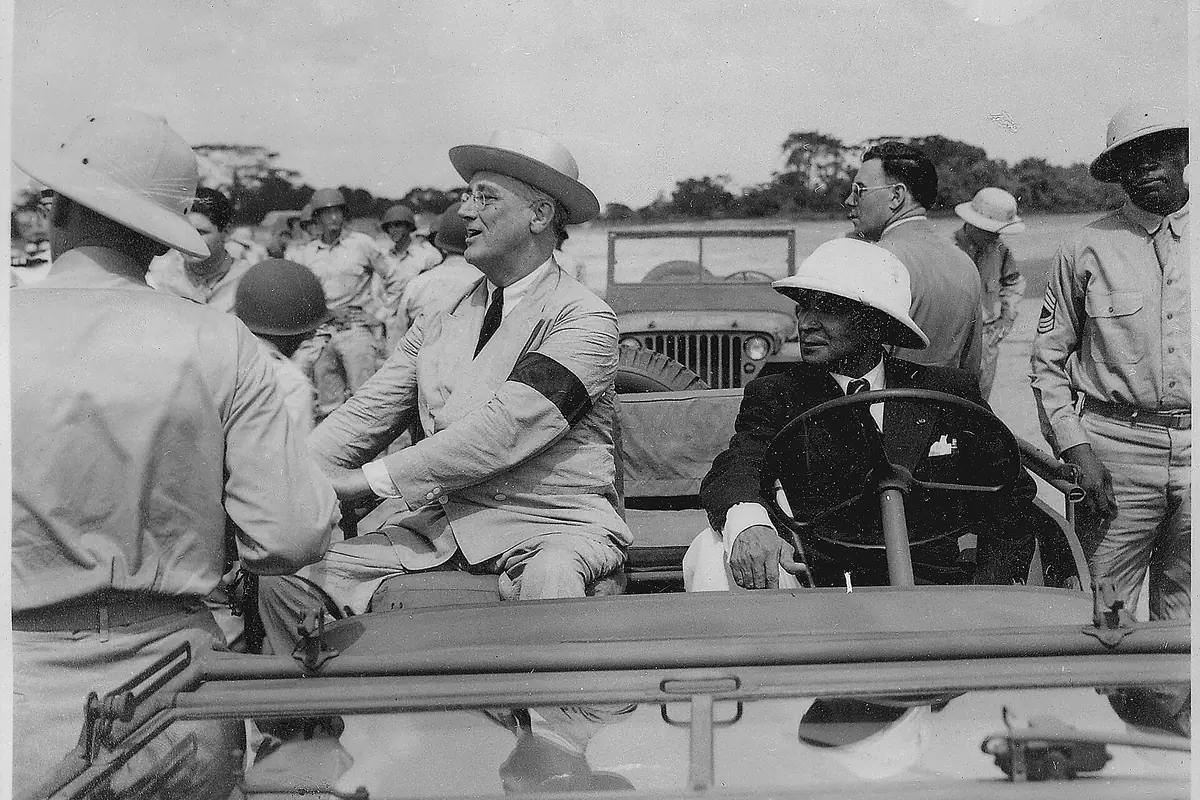
Far to the north, the Nimba range rises sharply out of the forest on the border with Guinea and Côte d'Ivoire. Its Liberian flank, near Yekepa, falls within the East Nimba Nature Reserve, part of a mountain ecosystem with World Heritage status, known for high-altitude grassland, rare frogs and shrews found nowhere else on earth. Access is restricted and permits are required because of the iron ore mining nearby — arrange everything in advance. Liberia's highest point, Mount Wuteve in the Wologizi range of Lofa County, is a serious multi-day trek for the truly committed, and the nearby town of Sanniquellie marks the 1959 meeting of three West African leaders that paved the way for continental unity.
The Southeast: Buchanan, Harper and Cape Palmas
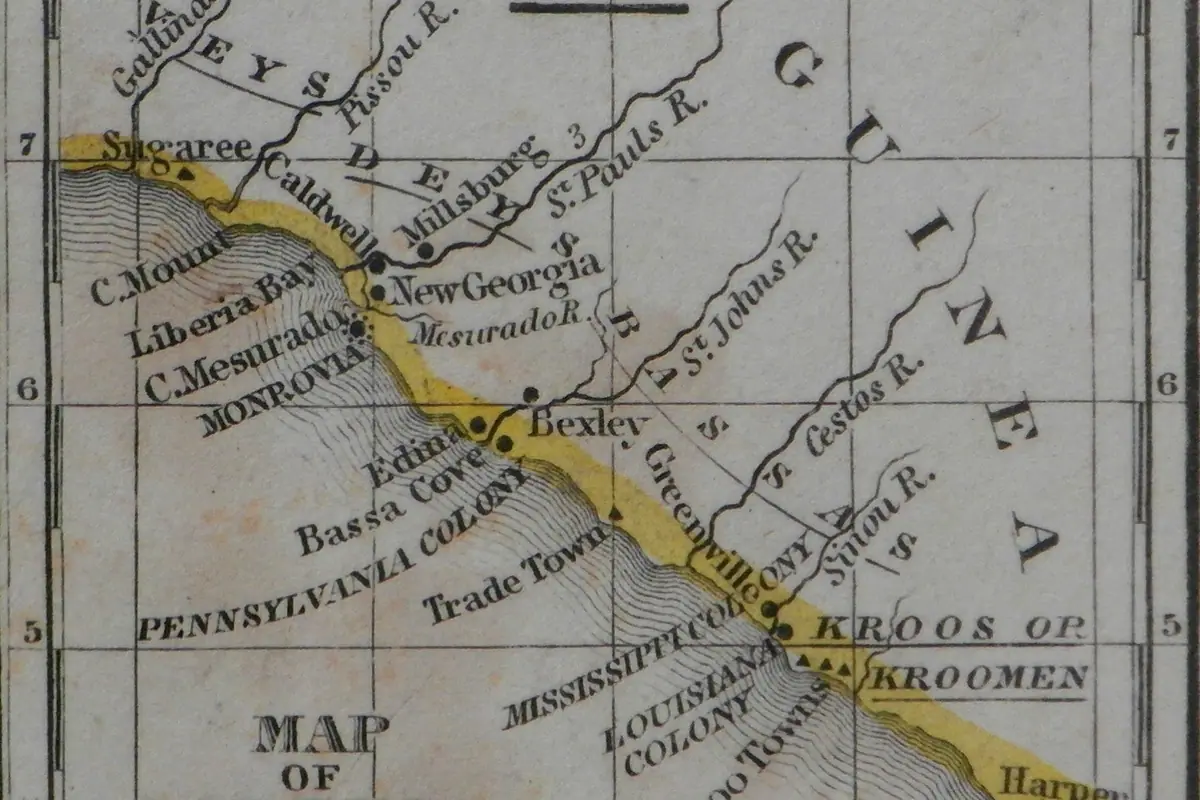
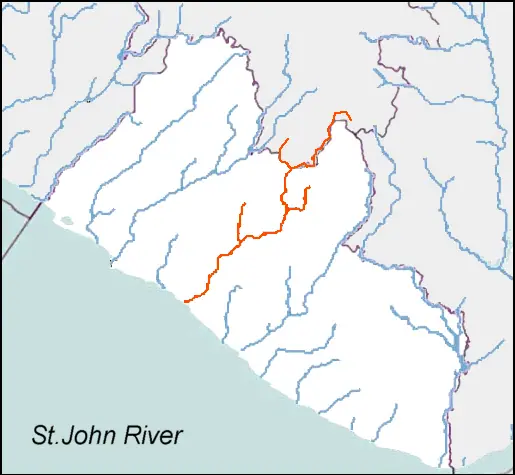
Grand Bassa's port city of Buchanan is a slower, softer counterpoint to Monrovia. There is a working harbour, a stretch of good beach, colonial-era bones in the old town and a genuine market buzz on Saturdays. It is the natural break on the coastal run east, and the mouth of the Saint John River nearby is worth the detour for its sandbars and birdlife.
Further east, in Maryland County, Harper is the most historically evocative town in Liberia. It was the capital of the independent Republic of Maryland before that state joined Liberia in 1857, and its grid of streets still holds the crumbling mansions of that era, along with the Tubman Center for African Culture and the lighthouse on Cape Palmas, the southernmost tip of the country. Bring a camera and a tolerance for faded grandeur; this is a place to wander rather than tick off.
The southeast is remote — flights to the region are limited and the road journey from Monrovia is long, often two days with an overnight stop. Aim for the dry months, travel in daylight, and expect the coast at its best: empty surf, fishing canoes, and villages where a visitor is still an event.
When to Go, What to Eat and How to Move Around
Liberia's dry season runs from about mid-November to April, and that is when you should go. December to February is driest, but the Harmattan — a dusty wind blowing down from the Sahara — can turn the sky milky and hide the views. The rains arrive in May and hammer through until October, with July and August the wettest; Monrovia gets more rain than almost any capital on earth, and dirt roads to the interior can become impassable.
Eating is one of the great pleasures here. Cassava leaf and rice, palm butter, jollof, pepper soup, plantain and fresh grilled fish are staples, served in small cook shops where a plate costs very little. English is the official language, which makes travelling far easier than in much of the region, and US dollars circulate alongside Liberian dollars — keep plenty of small notes for markets, taxis and tips. Tap water is not drinkable, and malaria is a genuine risk, so take prophylaxis seriously.
Getting around means shared taxis, motorbike taxis and private cars with drivers; distances are short on the map but long in practice. The main highways to Gbarnga, Ganta and Robertsport are paved and reasonable, while everything else is laterite and patience. Carry a yellow fever certificate — it is required for entry — and build slack into every itinerary, because in Liberia the journey is rarely the quick part.
Frequently asked questions
What is the best time of year to visit Liberia?
The dry season from mid-November to April is the most comfortable and the only realistic window for places like Sapo National Park and the Nimba Highlands. December to February is driest, though Harmattan dust can dull the views. Avoid July and August, when rainfall is heaviest and many dirt roads become impassable.
How many days do I need in Liberia?
A week covers Monrovia, the beaches and a night or two in Robertsport at a relaxed pace. Add three to four days if you want to attempt Sapo National Park, and at least two more for the long haul to Buchanan and Harper in the southeast.
Can I travel around Liberia independently?
Yes, but with planning. English is widely spoken and the main highways are paved, yet public transport is shared taxis and motorbike taxis that fill up and leave when they choose. For the interior, hiring a vehicle and driver is far more practical, and parks require licensed guides and rangers.
Do I need a visa or vaccinations for Liberia?
Most visitors need a visa arranged before arrival. A yellow fever vaccination certificate is required for entry, and travellers are strongly advised to take malaria prophylaxis, drink only bottled or treated water, and check routine vaccinations are up to date before departure.
What money should I bring and what food should I try?
US dollars are accepted almost everywhere alongside Liberian dollars, and small notes are essential for markets and taxis. Don't miss cassava leaf and rice, palm butter, pepper soup and grilled fish bought straight off the coals at a beach or roadside cook shop.
Plan it — experiences in Liberia
Live search, booked directly with trusted providers.
Sort the rest of your trip
Everything for Liberia, in one place
Stay in Liberia
Hotels, guesthouses and apartments — compared in one search.
Search hotels
Transfer in Liberia
Private driver waiting on arrival — no queues, no surprises.
Book a transfer
Stay online in Liberia
Travel eSIM — data the moment you land, no roaming bills.
Get an eSIM