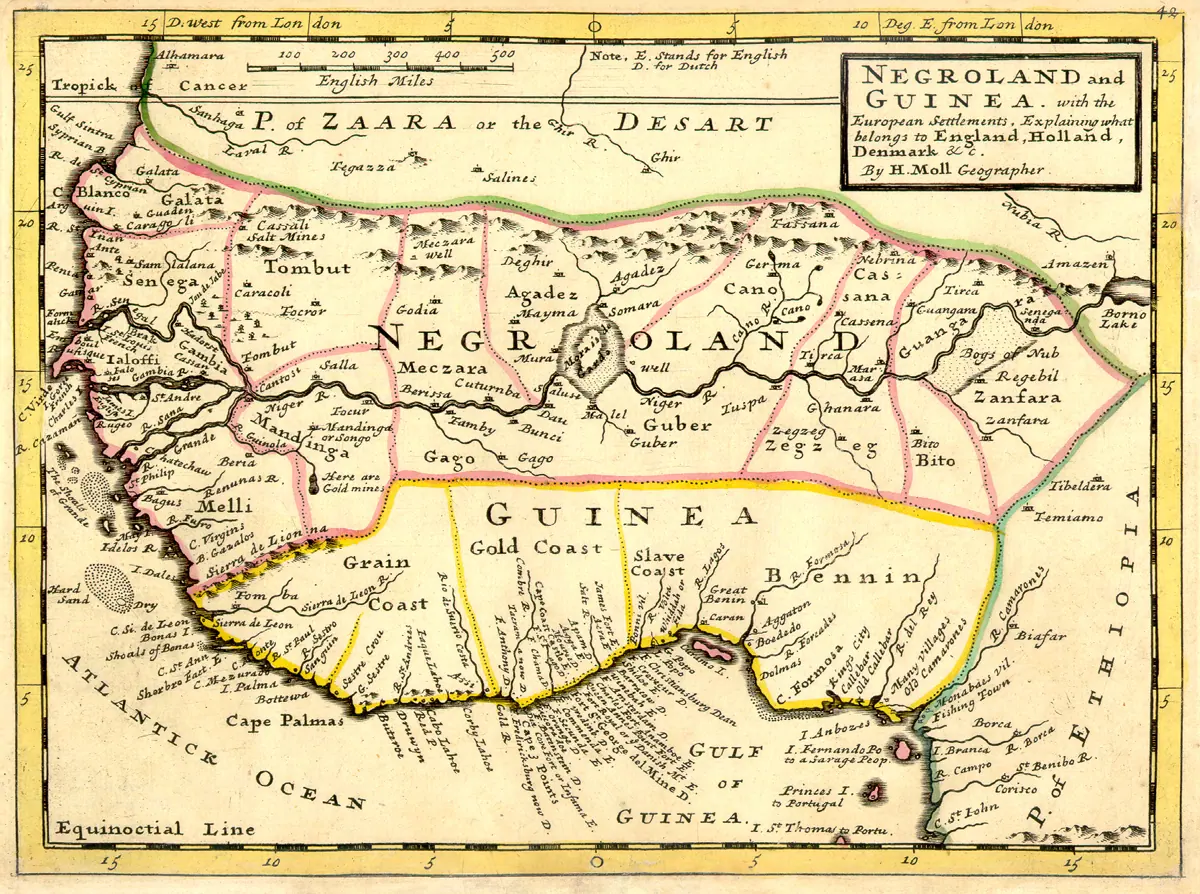
Liberia rewards the traveller who arrives prepared and unhurried: a capital with a raw, layered history, rainforest that still holds forest elephants and pygmy hippos, and long Atlantic beaches where the surf is genuinely world-class. This one-week route flies you in through Roberts International, loops north to the Nimba highlands and west to Cape Mount, then shows you how to add the great rainforest of Sapo if you have the days to spare.
Days 1–2: Landing at Roberts International and the Old Bones of Monrovia
Almost every long-haul arrival touches down at Roberts International Airport, a low-slung terminal set among rubber trees at Harbel, roughly an hour's drive from central Monrovia when the traffic behaves. A few regional hops and all domestic services use Spriggs Payne, a small airfield sitting right inside the capital. Change a little cash on arrival, buy a local SIM card, and — crucially — arrange your transfer before you fly, because airport taxis are informal and the price is best agreed in advance. Land in the late afternoon and the drive on Tubman Boulevard can easily take twice as long.
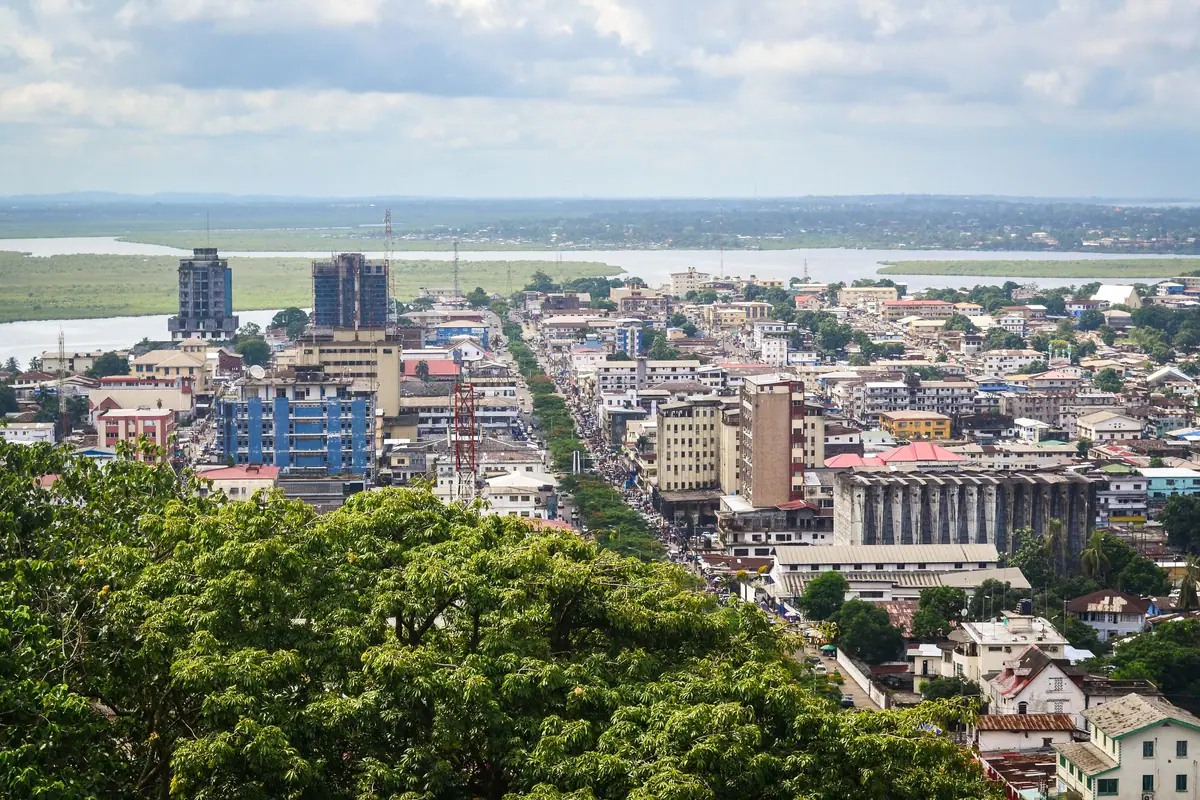
Give your first full day to the historic core. Providence Island, a quiet, half-wild spit at the mouth of the Mesurado River, is where the first settlers came ashore in 1822, and the place still carries the weight of that story. Nearby on Broad Street stand Providence Baptist Church, one of the oldest congregations in the country, and the National Museum of Liberia, a small but absorbing collection of masks, country cloth, ceremonial objects and photographs from the war years. The Centennial Pavilion, a colonnaded monument on Ashmun Street, is worth twenty minutes on the way past.
Finish the day up the hill at the shell of the Ducor Hotel, the abandoned tower that gives the single best view in the city — the broad Mesurado estuary, the fishing canoes at West Point, the Freeport cranes and the whole blue line of the Atlantic. Afterwards, drop down to Sinkor or Mamba Point, where the evening crowd gathers for grilled fish, pepper soup and cold drinks. Monrovia is loud, funny, chaotic and warm; don't rush it.
Day 3: Harbel's Rubber Sea and the Road to Kpatawee Falls
Before leaving the coastal plain, spend a morning at Harbel, the estate town wrapped in one of the largest rubber plantations on earth. Drive a few kilometres in any direction and the road becomes a tunnel through endless, evenly spaced hevea trees, with tappers moving between them at first light, cups hanging from the bark. It is an odd, hypnotic landscape — a company town with its own hospital, clubs and neat rows of workers' housing — and a reminder of how much of Liberia's modern history was written in latex.
From Monrovia, the paved highway runs inland to Gbarnga in roughly three hours, climbing through farmland and low forest. Bong County's star attraction is Kpatawee Waterfall, a tiered cascade near Suakoko where cold water pours over dark rock into a pool you can swim in. It is loveliest from November to January, when the rains have left the falls full but the access track is still passable; by the height of the wet season the water is thunderous, and the mud is serious.
If you have time, detour to the leafy campus at Cuttington, one of the oldest centres of higher learning in West Africa, then take a room in Gbarnga for the night. The town is a crossroads, busy with market traffic and motorbike taxis, and it makes an easy, low-key base before the road climbs north.
Day 4: Ganta, the Nimba Highlands and the Guinea Border
Push north through Ganta, the loud, sprawling market town where the roads to Guinea and Côte d'Ivoire divide, and on to Sanniquellie in Nimba County. This is the country's highland edge, and the landscape changes fast: the air cools, the hills sharpen, and beyond the mining town of Yekepa the Mount Nimba range lifts into cloud, its highest ground above 1,700 metres and its slopes covered in montane forest and grassland found nowhere else.
Mount Nimba is a World Heritage-listed strict nature reserve, shared between three countries, and it is one of the most biologically singular places in West Africa. The range is famous among scientists for its western chimpanzees, which use stone tools, along with rare creatures such as the Nimba otter shrew and the extraordinary toad that gives birth to live young rather than laying eggs. Visiting is not a casual affair: you need permits, a guide and a tolerance for rough tracks, and the Liberian side has almost no tourist infrastructure at all.
Treat this as a day for landscapes and local life rather than a ticketed attraction. Look out over the terraced iron-ore cuts near Yekepa, drink tea in a roadside bar in Sanniquellie, and sleep in the highlands before turning back south. If permits and time are against you, seeing the range from the road is still worth the journey.
Day 5: Robertsport, Lake Piso and the Cape Mount Coast
Head back to the coast and turn north-west for Robertsport, about three hours from Monrovia on a road that runs between the ocean and a chain of lagoons. Founded in the 1840s by settlers from the Americas, Robertsport is a town of weathered clapboard houses, sandy streets and fishing canoes pulled up on the beach, and it has quietly become one of the most talked-about surf destinations in Africa. The waves break off the point at Cape Mount with real power and length; boards can be borrowed locally, and there is a small, sociable community of riders in town.
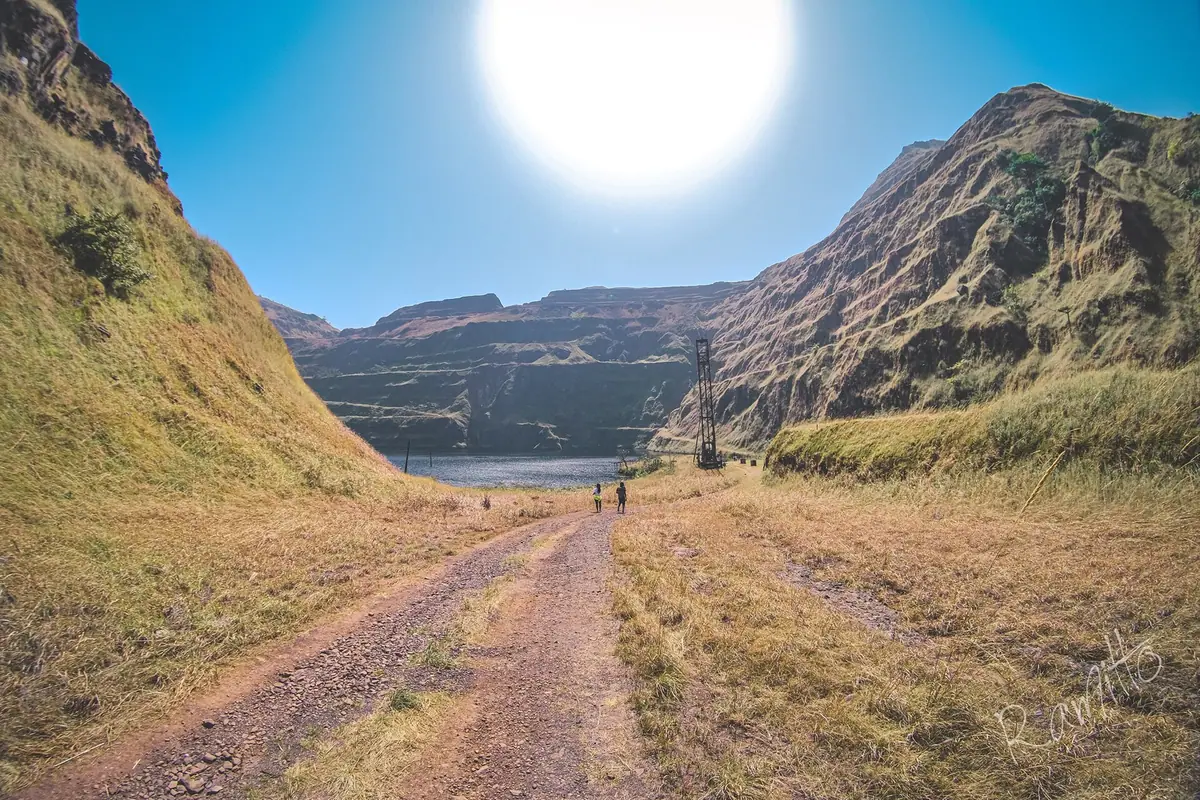
Behind the town lies Lake Piso, the country's largest lagoon, a brackish expanse of still water connected to the sea and fished by dugout canoe. Boatmen will take you across to the far shore, where forest comes down to the water and kingfishers work the edges. A short, bumpy drive away is the Blue Lake, a former mining pit flooded with water so vividly turquoise it looks artificial — there is no infrastructure, no lifeguard and no shade, so bring what you need and leave nothing behind.
Sunset here is the point of the whole trip. Find a spot on the sand at Robertsport, watch the fishing fleet come in through the swell, and stay the night rather than driving back in the dark — the road after dusk is not a place to be improvising.
Days 6–7: By Air to the Southeast — Sapo National Park and Harper
Liberia's south-east is the reason some travellers come at all. Small aircraft link Spriggs Payne with Greenville, Harper, Zwedru and Voinjama, and while schedules are thin and wet-season cancellations common, flying saves two punishing days on dirt roads. Pack soft bags and expect strict weight limits of around ten to fifteen kilos. From Greenville it is still a drive and a walk to Sapo National Park, Liberia's only national park and one of the last great blocks of Upper Guinean rainforest — home to forest elephants, pygmy hippos, chimpanzees, duikers and leopards, with the Cestos and Sinoe rivers cutting through it.
Be honest about the arithmetic. Sapo needs a minimum of three days, a registered guide and permits arranged in advance, and there are no lodges — you camp, hammock and tarp, and you go in with everything you need. If a week is all you have, the realistic choice is either the north or the south-east, not both. Those who make the effort describe walking under a canopy so high and so loud with birds and monkeys that the city feels like another planet.
If you fly instead to Harper, on Cape Palmas in Maryland County, you get a different kind of history: this was the capital of the short-lived Republic of Maryland, and its old government buildings, Masonic Temple ruins and the grave of governor John Brown Russwurm still stand in the sea air. Cape Palmas itself is the headland where the Atlantic gives way to the Gulf of Guinea — stand there and you are at a genuine geographical seam.
Day 7: Markets, Beaches and One Last Plate of Cassava Leaf
Fly or drive back to Monrovia and give your last day to the things you rushed past. Waterside Market and Duala Market are the places to hunt for country cloth, carved masks, tie-dye, baskets and wooden stools — bargain cheerfully, bring small notes, and expect to be helped by three people at once. The beach strips at the city's edge fill up on weekends with families, football games and sound systems, and they are the easiest way to spend an afternoon doing absolutely nothing.
Liberian food deserves your full attention before you leave. Order cassava leaf with rice, palm butter, groundnut soup, jollof, fried plantain and a whole grilled snapper or barracuda, ideally somewhere with plastic chairs and a view of the water. Pepper is not a suggestion here, so ask for it on the side if you are cautious. Vegetarians will find rice, plantain, bean stews and stewed greens, though it pays to ask what the stock is made with.
For the flight home, build in a generous buffer. Roberts International is unhurried in the way of small airports, but the highway to Harbel can seize up without warning, and check-in queues move at their own pace. Aim to leave the city three to four hours before departure, keep your yellow fever certificate in your hand luggage, and spend the drive watching the rubber trees slide past one last time.
Frequently asked questions
Which airport do I fly into for Liberia?
Roberts International Airport serves almost all international arrivals and sits at Harbel, roughly an hour's drive from central Monrovia — longer in evening traffic. Spriggs Payne, inside the capital, handles small aircraft and domestic services to Greenville, Harper, Zwedru and Voinjama. Pre-book a transfer, as airport taxis are informal.
Do I need a visa and vaccinations for Liberia?
Most visitors need a visa arranged in advance or through an online application before travel. A yellow fever vaccination certificate is required for entry, and malaria prophylaxis is strongly recommended, along with routine boosters. Bring a printed copy of your certificate, as it is often checked on arrival and again at domestic airfields.
When is the best time to visit Liberia?
The dry season from late November to March is easiest: drier roads, lower humidity and clearer skies, though December and February can bring hazy harmattan dust. The rains run roughly April to October, heaviest from June to September, when unpaved roads become difficult, domestic flights are often cancelled and waterfalls such as Kpatawee are at their most spectacular.
Can I visit Sapo National Park in a single week?
Only if you fly to the south-east and drop everything else. Sapo needs a minimum of three days plus travel, with permits and a registered guide arranged in advance through the forestry authorities, and there is no lodge accommodation — you camp. For a one-week trip, choose either the northern highlands or Sapo, not both.
How should I handle money and safety in Liberia?
Bring cash. Liberian dollars and US dollars are both widely accepted, with US notes preferred for larger purchases, and ATMs outside Monrovia are scarce and unreliable. Mobile money is useful in towns. Outside the capital, travel in daylight, avoid driving after dark, keep documents with you and hire a local driver who knows the checkpoints and road conditions.
Sort the rest of your trip
Everything for Liberia, in one place
Stay in Liberia
Hotels, guesthouses and apartments — compared in one search.
Search hotels
Transfer in Liberia
Private driver waiting on arrival — no queues, no surprises.
Book a transfer
Travel insurance
Medical cover, delays and lost baggage — sorted before you go.
Get covered