Haiti is the Caribbean with its sleeves rolled up — a country of mountain fortresses, cobalt swimming holes, papier-mâché carnival masks and a drumbeat that never quite stops. It rewards travellers who come curious, patient and well briefed, with landscapes and history you will not find anywhere else in the region.
The Citadelle Laferrière: A Fortress on the Roof of the North
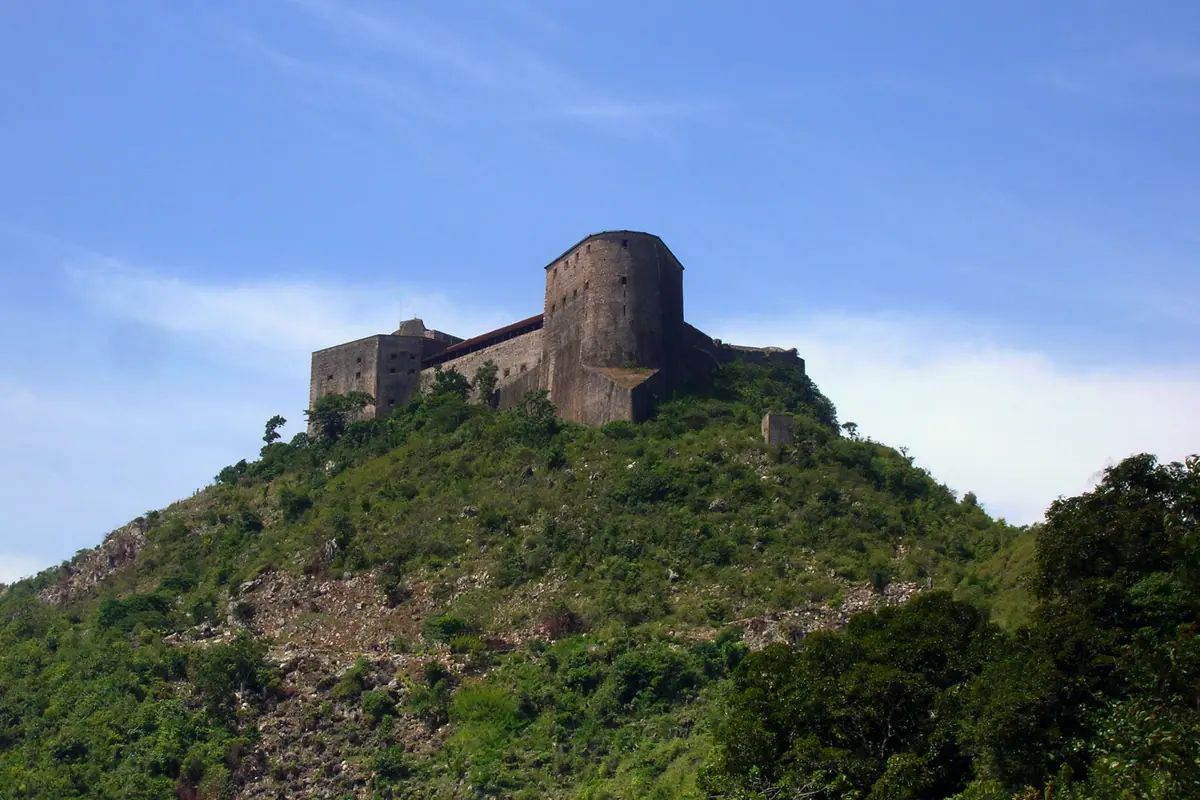
Perched at roughly 900 metres on the Bonnet à l'Évêque, some 30 kilometres inland from Cap-Haïtien, the Citadelle Laferrière is the sight that defines Haiti for most visitors. Built between 1805 and 1820 under King Henri Christophe by thousands of newly freed labourers, its sloped stone ramparts, dry moat and courtyards stacked with cannonballs still bristle with cannons aimed out to sea. It is the largest fortress in the Caribbean and, with the nearby Sans-Souci Palace and the Ramiers buildings, a UNESCO World Heritage Site.
The climb starts in the village of Milot, where you hire a local guide and either walk or ride a mule up the mountain track — roughly 45 minutes to an hour, steep and hot, so start at first light. Allow two hours at the top to wander the bastions, powder magazines and lookout points; on clear mornings the coastal plain and the bay of Cap-Haïtien open out below you like a map.
Down in Milot, the Sans-Souci Palace is the perfect companion stop: Christophe's royal residence, completed around 1813 and dubbed the Versailles of the Caribbean before the 1842 earthquake reduced it to a colonnaded shell. The grand staircase and ruined gardens are haunting and photogenic. Both sites together make a full, rewarding day — bring water, a hat and proper shoes, and expect friendly vendors at the trailhead.
Cap-Haïtien, Bois Caïman and the Cradle of Independence
Haiti's second city wears its history lightly. Founded in 1670 and once the richest colonial port in the Caribbean, Cap-Haïtien still has the bones of its grander days: a grid of pastel facades and wrought-iron balconies around the Place d'Armes, where the Cathedral of Our Lady of the Assumption faces the square and the sea breeze pushes through the palms. Walk the seafront at dusk, when families gather and street food smoke drifts over the water.
A short drive inland lies Bois Caïman, the site of the 1791 ceremony that helped spark the revolution and, eventually, the world's first Black republic. It is a modest, powerful place marked by a monument — best visited with a guide who can tell the story properly. North of the city, Fort Picolet guards the harbour entrance, and the fishing village of Cormier offers an easy half-day of seafood and swimming.
If you have time, the bay opens toward Île de la Tortue, the island that gave the word 'buccaneer' to the world and once served as a pirate stronghold. Boats run from the northwest coast near Port-de-Paix; it is raw, quiet and wonderfully far from any resort strip.
Port-au-Prince: Museums, Markets and the View from Boutilliers
Start at the Musée du Panthéon National Haïtien on the Champ de Mars, an underground museum that walks you through Taíno artefacts, the revolution and the modern era, including a silver anchor attributed to one of Columbus's ships. Above ground, the square holds the Neg Mawon statue — the defiant, chained runaway slave that became a national emblem — and the ruins of the National Palace, still unrepaired since the 2010 earthquake.
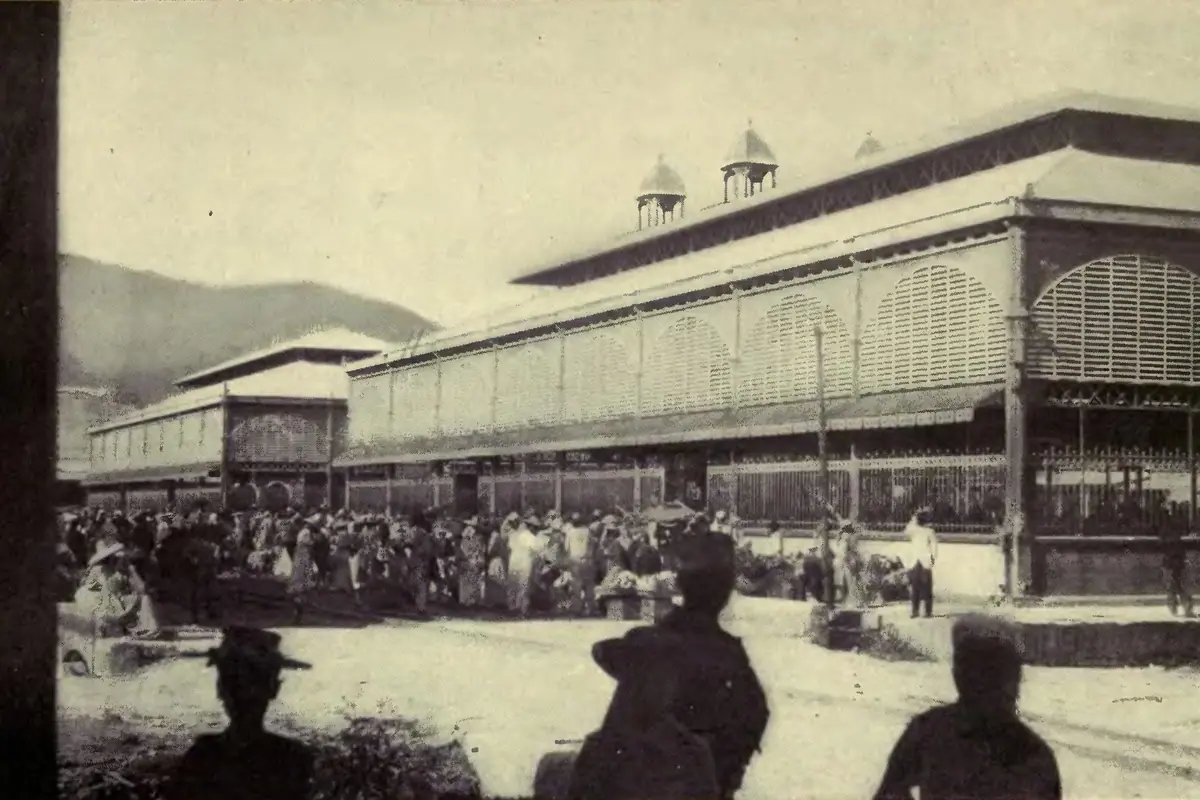
No visit is complete without the Marché en Fer, the red-painted iron market erected in the 1890s and rebuilt after both an earthquake and a fire. It splits into two halls: one for produce, spices and household goods, the other for Haitian art — sequinned Vodou flags, vèvè paintings, carved wood and metalwork cut from oil drums. Bargain politely and bring small notes.
Climb into the hills for Pétion-Ville, cooler and calmer, where galleries and the Musée d'Art Haïtien du Collège Saint-Pierre display work by the country's celebrated painters. Finish at the Boutilliers lookout above the city, where a long-established restaurant terrace faces the bay — go for late afternoon, when the light goes gold across the water and the mountains turn blue behind.
Jacmel, Bassin Bleu and the Southern Coast
Jacmel, founded in 1698 as a coffee and indigo port, is the most beautiful town in Haiti. Two-storey merchant houses with filigree iron balconies line cobbled streets, and the restored Ciné Théâtre recalls the days when this was a cultural capital. Art schools and papier-mâché workshops dot the town, and in carnival season the whole place erupts into masked parades.
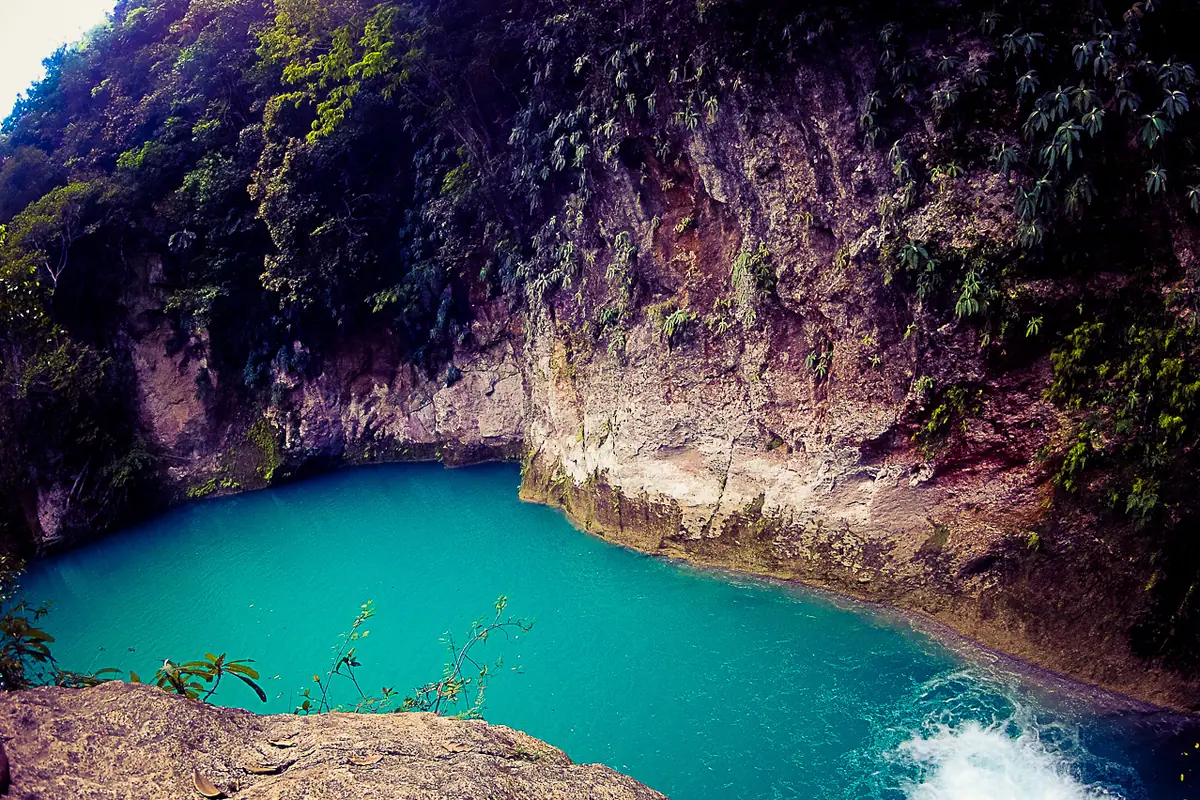
West of town, Bassin Bleu is the classic Haitian swimming hole: three pools set in a jungle gorge, the deepest one an impossible shade of cobalt. Reaching it takes a 20 to 30 minute drive and then a 30 to 40 minute walk with a river crossing, so go with a local guide, wear shoes you can get wet, and avoid the day after heavy rain, when the water rises fast.
The coast here is a string of low-key beaches — Ti Mouillage, Raymond-les-Bains and Kabic — where you eat grilled fish under a thatched shelter and swim in warm, shallow water. Jacmel is about a three-hour drive from Port-au-Prince over the mountains, or longer via the coastal route, which makes it a natural overnight rather than a day trip.
Caves, Lakes and Waterfalls: Haiti's Wild Interior
Near Port-à-Piment on the southern peninsula, Grotte Marie-Jeanne is one of the Caribbean's largest cave systems — a labyrinth of chambers, galleries and narrow crawls decorated with stalactites, bat colonies and traces of Taíno use. Local guides supply lanterns and lead one- to three-hour routes; expect some scrambling and a lot of darkness, so bring a headlamp if you have one.
In the Central Plateau near Hinche, Bassin Zim is a waterfall with a cave hidden behind the cascade, its walls marked with Taíno petroglyphs. It is a popular local picnic spot on weekends, with guides and simple food stalls, and pairs well with a drive through the Artibonite Valley — Haiti's rice bowl.
East of Port-au-Prince, Étang Saumâtre — also called Lac Azuéi — is the country's largest lake: brackish, wind-whipped and home to American crocodiles along with herons, flamingos and other water birds. The dry months from November to March are the best time for birdlife and for the muddy tracks that lead to the shore. Farther south, the Étang de Miragoâne offers a quieter, greener alternative on the road to Les Cayes.
Vodou, Kanaval and the Rhythm of Daily Life
Vodou is a living religion, not a show, and the most respectful way to encounter it is through a trusted local host who can take you to a lakou — a traditional temple compound — such as those around Gonaïves. Expect drumming, singing and ceremony that runs late into the night; ask before photographing anyone, dress modestly, and leave a contribution for the community rather than treating it as an attraction.
Carnival is the other great window into Haitian culture. In the three days before Ash Wednesday, Port-au-Prince fills with floats, rara bands and crowds, while Jacmel's parade is famous for its huge papier-mâché masks. After Easter, rara season continues for weeks, with bamboo trumpet bands spilling through neighbourhood streets. On 1 and 2 November, Fèt Gede fills the Grand Cimetière in Port-au-Prince with candles, flowers and offerings for Bawon Samdi and Manman Brigitte.
Each 16 July, pilgrims converge on Saut-d'Eau, a waterfall near Mirebalais, to bathe in the cascade in honour of Our Lady of Mount Carmel and the Vodou spirit Erzulie. Wear clothes you don't mind soaking, bring a change, and go early in the day. Between these festivals, ordinary Haitian life is its own attraction: market mornings, tap-tap buses painted like carnival floats, and long conversations over strong coffee.
Frequently asked questions
When is the best time to visit Haiti?
The dry season from November to March brings the most reliable weather, cooler mountain air and easier road conditions. Carnival falls in the days before Ash Wednesday, Fèt Gede on 1–2 November, and the Saut-d'Eau pilgrimage on 16 July. The hurricane season runs from June to November, with the highest risk usually between August and October, so build flexibility into any wet-season trip.
How many days do you need in Haiti?
Seven to ten days lets you cover the essentials without endless driving. A workable route is three nights in Cap-Haïtien for the Citadelle Laferrière, Sans-Souci and Bois Caïman, then two or three nights in Jacmel for Bassin Bleu and the coast, with a couple of nights in Port-au-Prince for the museums and the Iron Market. Shorter trips of four or five days are best spent in one region rather than crisscrossing the country.
Is it safe to travel in Haiti?
Haiti currently presents serious security challenges, particularly in Port-au-Prince, where gang-related violence has disrupted transport and daily life. Conditions change quickly and vary sharply by region. Check your government's latest travel advice before booking, travel with a reputable local operator or driver-guide, keep itineraries flexible, avoid demonstrations and unlit areas after dark, and consider basing yourself in the north or south if the capital is unstable.
How do you get around Haiti?
Distances look short on the map but roads are slow and mountainous — Port-au-Prince to Cap-Haïtien is roughly eight to ten hours by road, or about an hour by domestic flight between the two cities. Hiring a car with a driver-guide is the most practical option for visitors. Tap-taps, the brightly painted shared pickups, are cheap and characterful for short hops but crowded. Domestic flights also serve Les Cayes and other regional towns.
What should you eat and drink in Haiti?
Start with griot, chunks of pork marinated in citrus and slow-roasted, served with pikliz — a fiery pickled cabbage slaw — and fried plantains. Diri kole (rice and beans), lambi (conch) in creole sauce, and akra fritters are staples, and on 1 January the whole country eats soup joumou, a squash soup that commemorates independence. Wash it down with fresh coconut water, locally grown coffee, or a glass of Haitian rum or clairin, the rustic sugarcane spirit. The currency is the gourde, though US dollars are widely accepted.
Plan it — experiences in Haiti
Live search, booked directly with trusted providers.