Haiti rewards travellers who plan their nights as carefully as their days: the country's best places to sleep sit within reach of a UNESCO hilltop fortress, a gingerbread carnival town and some of the Caribbean's emptiest sand. Match the right base to the sights you came for, and the logistics that intimidate most first-timers become a simple, memorable rhythm.
How Haiti's Hotel Map Works — and Why Two Bases Beat One
Haiti occupies the western third of the island of Hispaniola, sharing it with the Dominican Republic, and its lodging scene falls into four loose clusters: the capital region of Port-au-Prince and its cooler hill suburb Pétion-Ville; the north around Cap-Haïtien and the village of Milot; the southeast coast around Jacmel; and the beach strips and southern towns, from the Côte des Arcadins to Les Cayes, Port-Salut and the island of Île-à-Vache. Distances on a map flatter you here. Port-au-Prince to Cap-Haïtien is a five-to-seven-hour drive on mountain roads along Route Nationale 1, or roughly half an hour by domestic flight; the southern run to Les Cayes takes four to six hours on Route Nationale 2.
For most week-long trips, two bases is the sweet spot: one city base for culture and markets, one coast or mountain base for swimming and slowness. That usually means Pétion-Ville paired with either Cap-Haïtien or Jacmel, or a capital stop followed by a few days on the Arcadins coast if you'd rather not travel far.
Hotel styles vary more than the booking sites suggest. You'll find polished business hotels in Pétion-Ville with reliable air conditioning and conference rooms; family-run guesthouses where the owner cooks breakfast; elegant 19th-century gingerbread houses converted into atmospheric inns; and barefoot beach bungalows with cold showers, mosquito nets and hammocks. Almost everywhere, expect a generator or inverter backup because mains power is intermittent, bottled water rather than tap, and Wi-Fi that is strongest in the lobby and temperamental in the rooms.
Port-au-Prince and Pétion-Ville: Capital Hotels and the Sights on Their Doorstep
Most international arrivals land at Toussaint Louverture International Airport, so the capital region is where nearly every Haiti itinerary begins. Pétion-Ville, climbing into the hills above the city, is the main hotel district — noticeably cooler in the evenings, with restaurants, galleries, bakeries and a walkable centre. Port-au-Prince itself offers smaller boutique options in Turgeau, Bois-Verna and the historic gingerbread quarter, plus practical airport-side rooms for travellers catching an early domestic flight north.
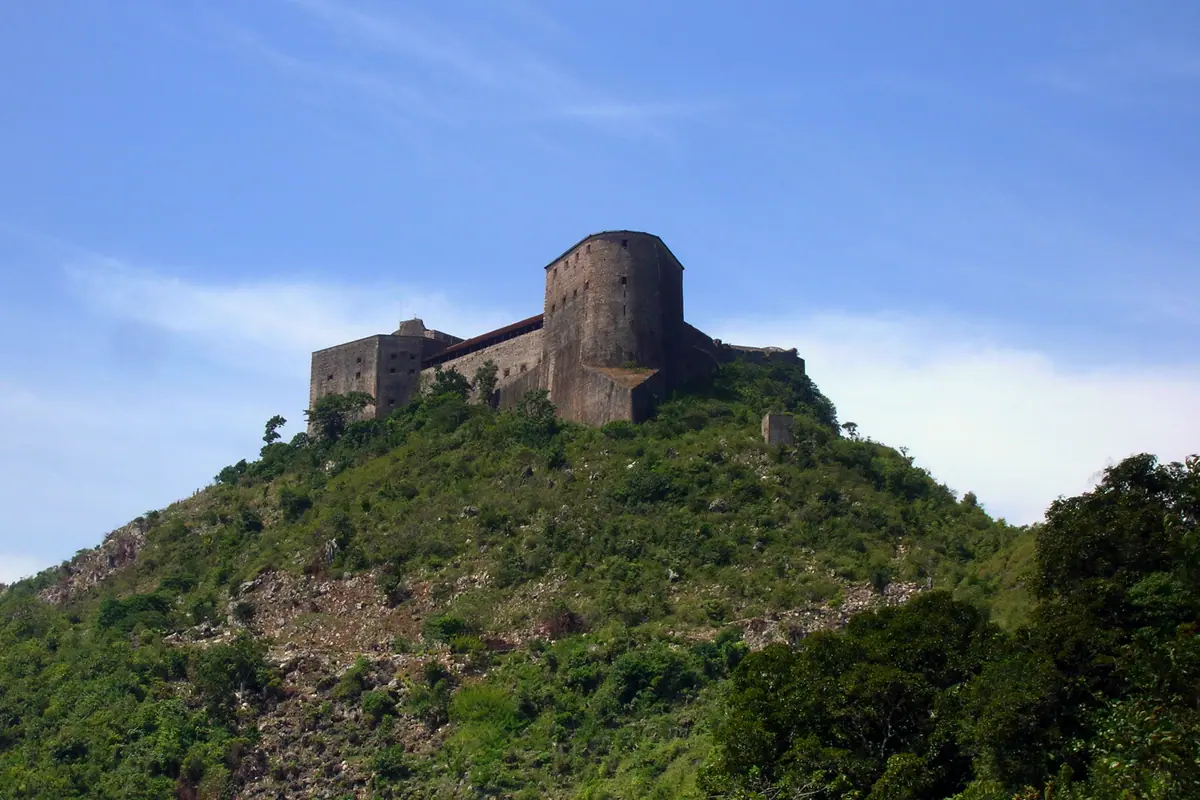
The capital's must-see sights are remarkably close together. On the Champ de Mars you'll find the shell of the ruined Notre-Dame de l'Assomption cathedral, still standing roofless beside the presidential palace grounds, and the Musée du Panthéon National Haïtien, a subterranean museum that walks you from the Taíno past through the revolution to the present and displays an anchor reputed to come from Columbus's Santa María. A short drive away, the Marché en Fer — the Iron Market — is a crimson-painted iron hall dating to the 1890s and rebuilt after the 2010 earthquake, dense with Vodou flags, sequinned drapo, paintings and wood sculpture.
Don't skip the murals at Cathédrale Sainte-Trinité in the city centre, or the hairpin climb to Boutilliers, a hillside lookout where the whole sweep of the bay turns gold at sunset. Practical advice for this base: traffic is genuinely punishing, so choose a hotel near the places you actually plan to see and hire a car and driver through your hotel rather than hailing rides on the street. Visit markets in the morning, keep afternoons for museums and viewpoints, and be back at your hotel before dark.
Cap-Haïtien, Milot and the North: Sleeping Below the Citadelle
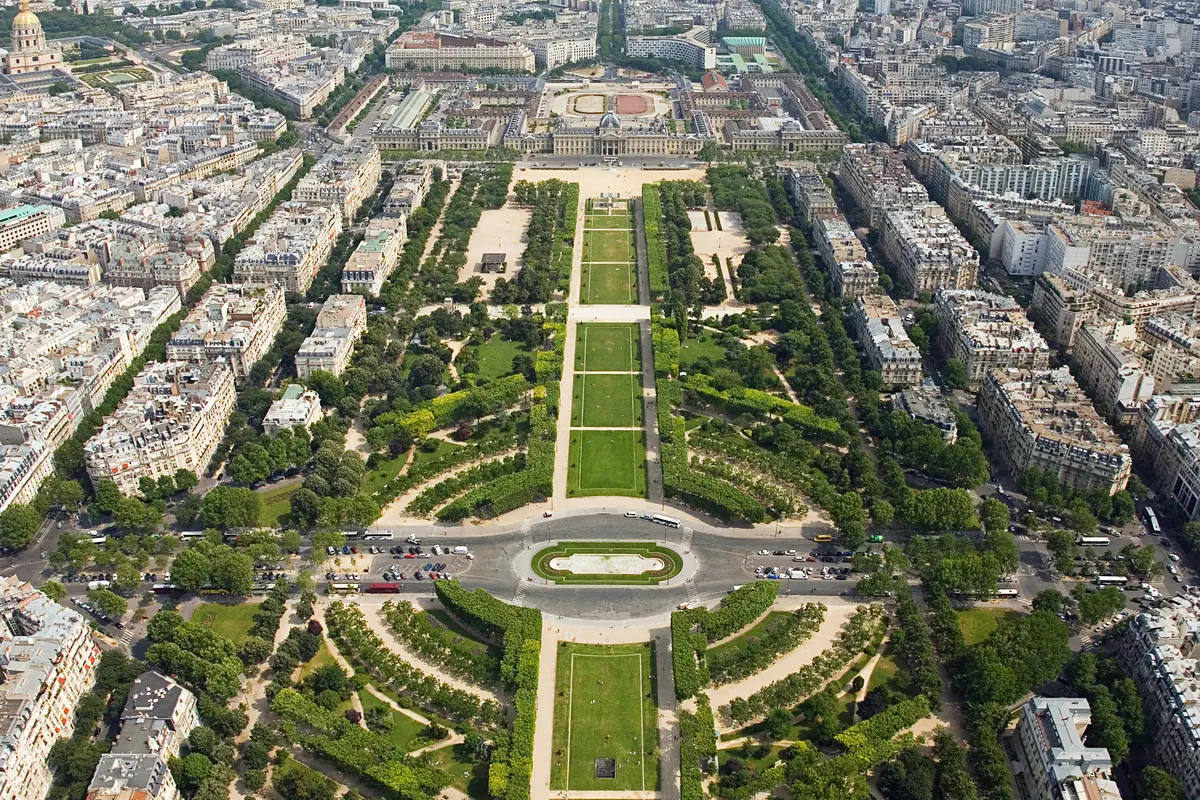
The north holds Haiti's single greatest sight. The Citadelle Laferrière, a UNESCO World Heritage Site and the largest fortress in the Americas, was raised between 1805 and 1820 under King Henri Christophe on the ridge of Bonnet à l'Évêque, roughly 900 metres above the coastal plain. You reach it from the village of Milot, usually on horseback or by a steep hike of an hour or more, passing cannon-lined ramparts that once guarded against a French return. Give it half a day, start early to beat both the heat and the afternoon cloud that swallows the view.
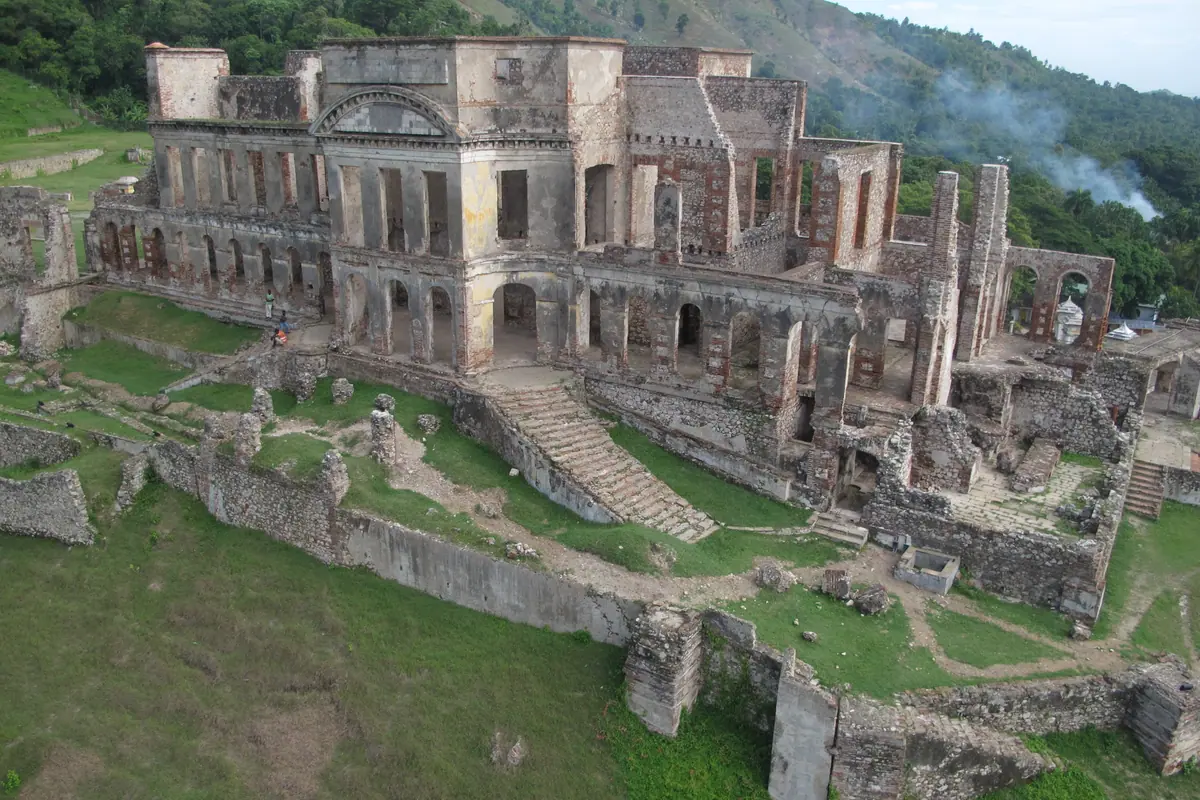
Directly below, also UNESCO-listed, lie the ruins of the Sans-Souci Palace — Christophe's royal residence, with its colonnaded stairways and elegant decay, still one of the most haunting buildings in the Caribbean. Cap-Haïtien itself, Haiti's second city, keeps a French colonial street grid, a handsome central square and a waterfront boulevard, and makes the obvious base for the fortress. Beach lovers head north along the coast road toward Labadie and the coves facing Île-à-Rats, while history buffs detour inland to Bois Caïman, the site of the 1791 ceremony widely credited with igniting the revolution, or take a boat to Île de la Tortue, the island that gave the world the word 'buccaneer'.
For hotels, the north offers converted merchant houses and small colonial-style inns in Cap-Haïtien's centre, beach bungalows scattered along the coast road, and simple guesthouses in Milot itself if you want to be first on the trail to the Citadelle. November to April brings the driest, coolest weather; the northern coast is also pleasantly breezy in the shoulder months of May and November.
Jacmel and the Southeast: Gingerbread Inns, Carnival and Bassin Bleu
Jacmel, on the southeast coast, is the town most travellers fall for. Its old centre is a grid of 19th-century gingerbread houses with delicate wooden fretwork and iron balconies, tumbling down toward a faded customs house on the old port and the small town beach at Ti Mouillage. This is the place to book a restored merchant's house or a hillside inn with a sea view, then spend your days wandering with no fixed plan.
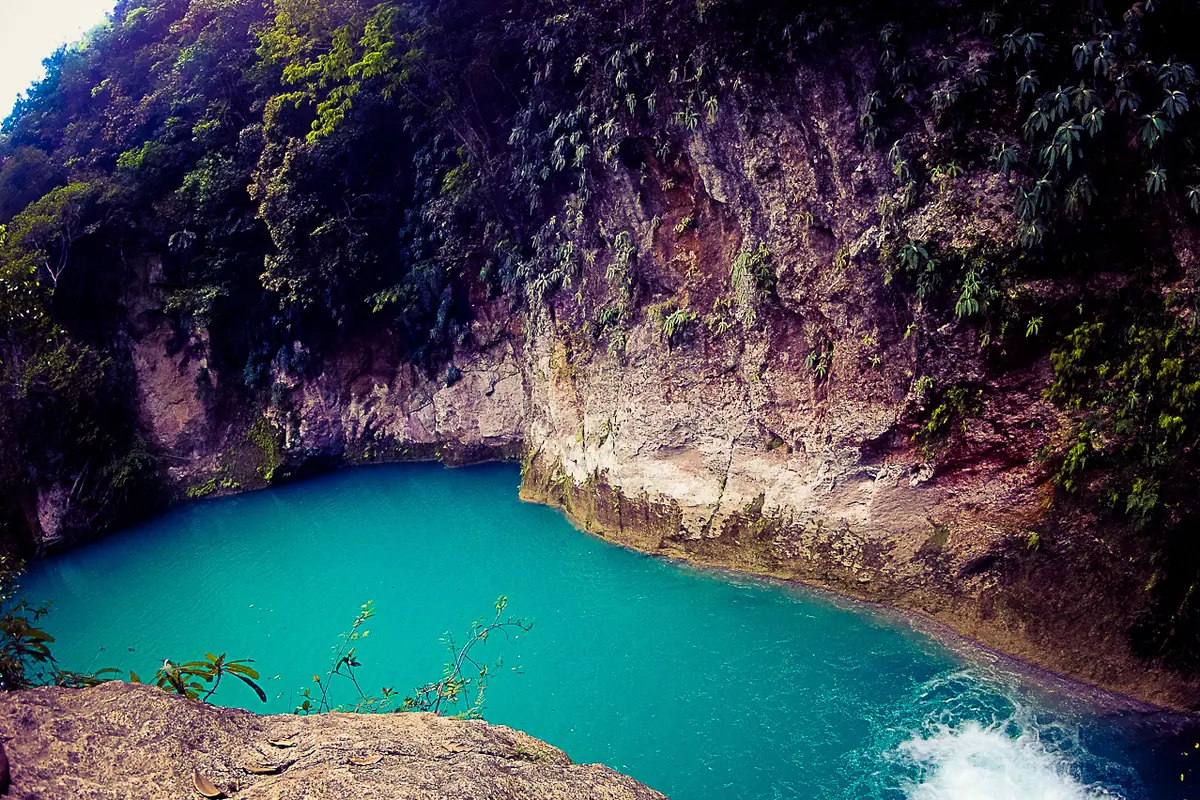
Jacmel's Kanaval, held on the Sunday before Ash Wednesday, is Haiti's most celebrated carnival, famous for papier-mâché masks made in workshops around town all year — you can watch them being built. The other essential excursion is Bassin Bleu, a series of three turquoise pools set in a ravine, reached by a rough road and a short guided scramble from the village of Cyvadier — about 30 to 45 minutes from Jacmel. Local guides are customary and genuinely helpful; wear shoes you can get wet, and allow half a day. Add Plage de Kabic and the small waterfalls and pools of the surrounding hills if you have an extra morning.
Because Jacmel is compact, where you stay matters less than when: rooms fill fast for Kanaval and the New Year holiday, and prices climb accordingly. Outside those peaks, a gingerbread guesthouse here is one of the best-value stays in the Caribbean, and the town's cafés and galleries stay open late on weekends.
Côte des Arcadins, Île-à-Vache and the Southern Beaches
If you want sand without a long transfer, the Côte des Arcadins is the answer: a strip of calm, shallow bays roughly an hour north of Port-au-Prince that functions as the capital's weekend beach. Small resorts and beach clubs line the shore, many offering day passes with lunch, and the water is gentle enough for children. It's the easiest way to add a beach chapter to a city trip without crossing the country.
Farther south, the landscape softens. Port-Salut and Les Cayes are the gateway to long, grey-sand beaches and the boat crossing to Île-à-Vache, a low-lying island of fishing villages, empty coves and small bungalow-style guesthouses where the main evening entertainment is a rum sour and the sound of the sea. Inland from Les Cayes, Saut-Mathurine near Camp-Perrin drops into a green swimming basin that locals treat as a natural water park, and the cave system at Grotte Marie-Jeanne near Port-à-Piment hides Taíno markings in its chambers — bring a guide and a torch.
Expect simpler rooms on this coast: ceiling fans rather than air conditioning, cold or solar-heated water, generators at night, and menus built around whatever the boats brought in. That is precisely the appeal. Book ahead for the Easter and Christmas weeks, when Haitian families travel and beach hotels sell out first.
Seasons, Booking and Practical Advice for Haitian Hotels
The dry season from December to April is the most comfortable time to travel, with lower humidity and reliable sunshine; February brings Kanaval and the highest prices of the year, so reserve well in advance. June to November is hurricane season, with the greatest risk from August to October — this is also the rainy period, when mountain roads deteriorate and some coastal properties close or run reduced staff. Rates drop sharply in the summer months, which suits flexible travellers who don't mind an afternoon downpour.
Book directly wherever you can. Many small Haitian hotels have limited or no online inventory, so email or message the property, expect to pay a deposit by transfer, and reconfirm your arrival a few days ahead. Carry cash — US dollars are widely accepted and often preferred for larger bills, while smaller guesthouses want local currency — and don't rely on cards outside the bigger city hotels. Ask in advance about airport transfers and about a driver for day trips; both are usually arranged through your hotel and cost far less than improvising.
A few details make the difference between a smooth stay and a stressful one. Drink bottled water only. Pack a small torch and a power bank for outages, insect repellent for coastal evenings, and modest clothing for visits to churches and Vodou sites. Tipping is appreciated but not obligatory, typically a small amount for housekeeping, porters and guides. And plan your days around daylight: sightseeing, markets and long drives are best done between morning and late afternoon, with evenings kept close to your hotel.
Frequently asked questions
When is the best time to visit Haiti?
December to April offers the driest, most comfortable weather and the best road conditions. February is busiest because of Kanaval, pushing room rates to their yearly peak, so book early. June to November is hot, wet and within hurricane season, but you'll find much lower prices and quieter beaches.
Do I need to book Haitian hotels in advance?
Yes, especially for December to April, Kanaval, Easter and the Christmas week, when coastal properties and Jacmel guesthouses fill up. Many smaller hotels have limited online booking, so contacting the property directly by email or message, paying a deposit and reconfirming a few days before arrival is the reliable approach.
Which parts of Haiti are best for a first visit?
Combine two bases. Spend a few nights in Pétion-Ville for the Champ de Mars, the Musée du Panthéon National Haïtien and the Marché en Fer, then head north to Cap-Haïtien for the Citadelle Laferrière and the Sans-Souci Palace, or southeast to Jacmel for gingerbread streets, Kanaval masks and Bassin Bleu. A week covers either pairing comfortably.
How do I get between Haitian cities without driving myself?
Use domestic flights for the Port-au-Prince to Cap-Haïtien route, which takes about half an hour versus five to seven hours by road. Elsewhere, hire a car with a driver through your hotel — it is the safest and most efficient option. Shared tap-taps and moto-taxis are cheap and colourful but not practical with luggage.
What should I expect from hotel facilities in Haiti?
Standards vary widely. City hotels in Pétion-Ville and Cap-Haïtien generally offer air conditioning, hot water and decent Wi-Fi; beach and island guesthouses often rely on fans, cold water, mosquito nets and generator power at night. Nearly all properties keep bottled water on hand, and Wi-Fi is usually strongest in communal areas.
Sort the rest of your trip
Everything for Haiti, in one place
Transfer in Haiti
Private driver waiting on arrival — no queues, no surprises.
Book a transfer
Things to do in Haiti
Skip-the-line tickets, guided tours and standout experiences.
See experiences
Stay online in Haiti
Travel eSIM — data the moment you land, no roaming bills.
Get an eSIM