Saint Lucia is only 27 miles long, yet the island behaves like several destinations stitched together — volcanic peaks in the southwest, a breezy marina-and-beach belt in the north, and a rainforest interior that swallows the middle. Where you sleep decides what your holiday actually looks like, so choose the coast before you choose the room.
Choosing Your Coast: The Calm North vs. the Dramatic Southwest
Almost every hotel decision on Saint Lucia comes down to a simple split. The northwest — Rodney Bay, Gros Islet, Cap Estate and Pigeon Island — is the island's resort heart, with long swimmable sand, restaurants within walking distance, a marina full of yachts and easy day trips. The southwest, wrapped around Soufrière and the twin peaks of Gros Piton and Petit Piton, is the postcard: steep green slopes, black-sand coves, sulphur vents and views that make you put your book down.
The trade-off is logistics. The international airport sits far south near Vieux Fort, so if you fly long-haul you will land roughly 90 minutes from Rodney Bay and about 45 minutes from Soufrière. The smaller airport just outside Castries flips that equation for regional hops. If you are staying a week or less, resist the urge to split your stay across both ends — the drive is beautiful but you will spend half a day of precious holiday doing it.
Think about what you want your mornings to be. Northern hotels suit swimmers, families, nightlife and boat trips to Pigeon Island National Landmark. Southern hotels suit hikers, divers, photographers and anyone who would rather hear tree frogs than a beach bar playlist. Both coasts have excellent rooms; they simply sell different holidays.
Soufrière and the Pitons: Cliffside Luxury and Volcanic Views
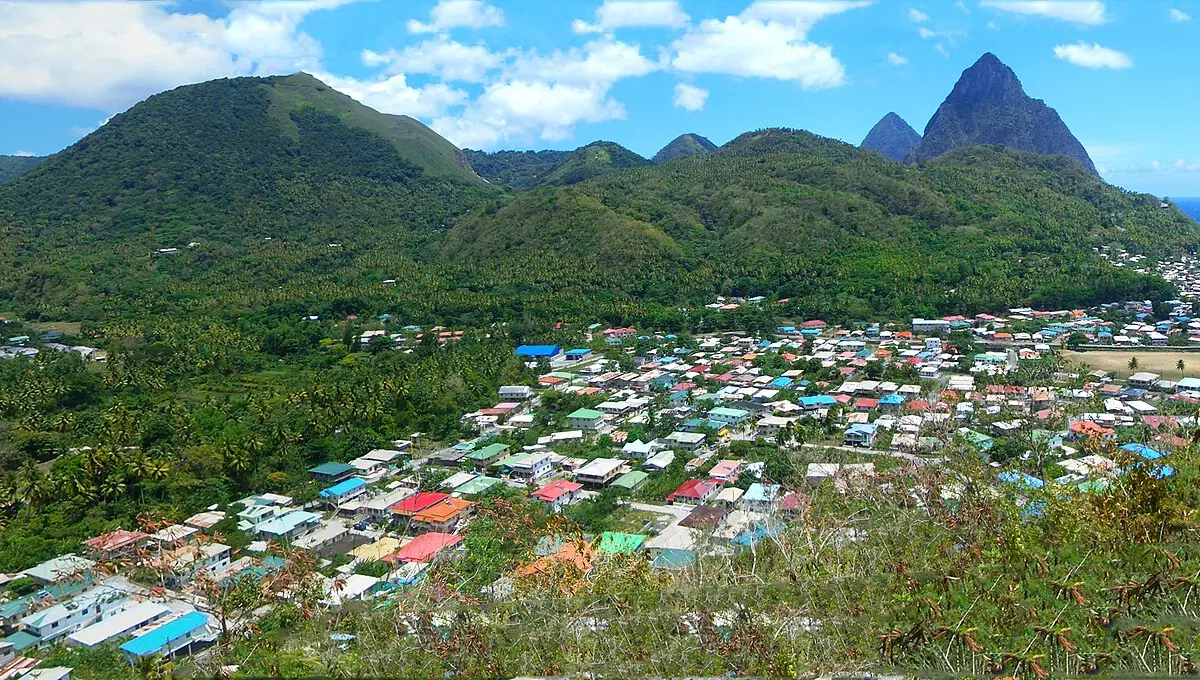
This is where Saint Lucia performs its most theatrical scenery. Hotels here perch on ridges between Soufrière and the Pitons, many built into the hillside so that every room looks straight at Gros Piton and Petit Piton — a UNESCO-listed pair of volcanic spires rising almost 800 metres from the sea. Expect open-air rooms, plunge pools, steep staircases and the sound of the rainforest at night. It is romantic, but it is not flat: some properties have hundreds of steps, so ask about accessibility if knees are a concern.
Days here fill themselves. The Sulphur Springs just outside Soufrière is the Caribbean's only drive-in volcano, where you can wallow in warm mineral mud; a few minutes away, Diamond Falls Botanical Gardens combines a mineral-stained waterfall with 6 acres of ginger, heliconia and old estate ruins. Toraille Waterfall offers a cold freshwater plunge, and the Tet Paul Nature Trail gives you the island's best short walk — under an hour, with a spine-tingling view of both Pitons and a friendly local guide on hand.
Beaches in the southwest are darker and quieter: Anse Chastanet and Anse Mamin for snorkelling and shade, and the pale strip of Sugar Beach tucked between the Pitons, where the swimming is gentle and the view is absurd. History buffs should add Morne Coubaril Estate for cocoa and coconut demonstrations, and the old colonial streets of Soufrière town, where the market, the church and the 18th-century bathhouses still hold the shape of the French era.
Rodney Bay, Gros Islet and the North: Beach Bases with Buzz
If you want to walk out of your hotel and find a beach bar, a supermarket, a dive shop and a dozen dinner options, base yourself around Rodney Bay. Reduit Beach is the island's most popular sweep of sand — calm water, watersports, sun-loungers — and the surrounding village has the widest range of hotels, from large beachfront resorts to small apartment-style guesthouses that suit longer stays and self-caterers.
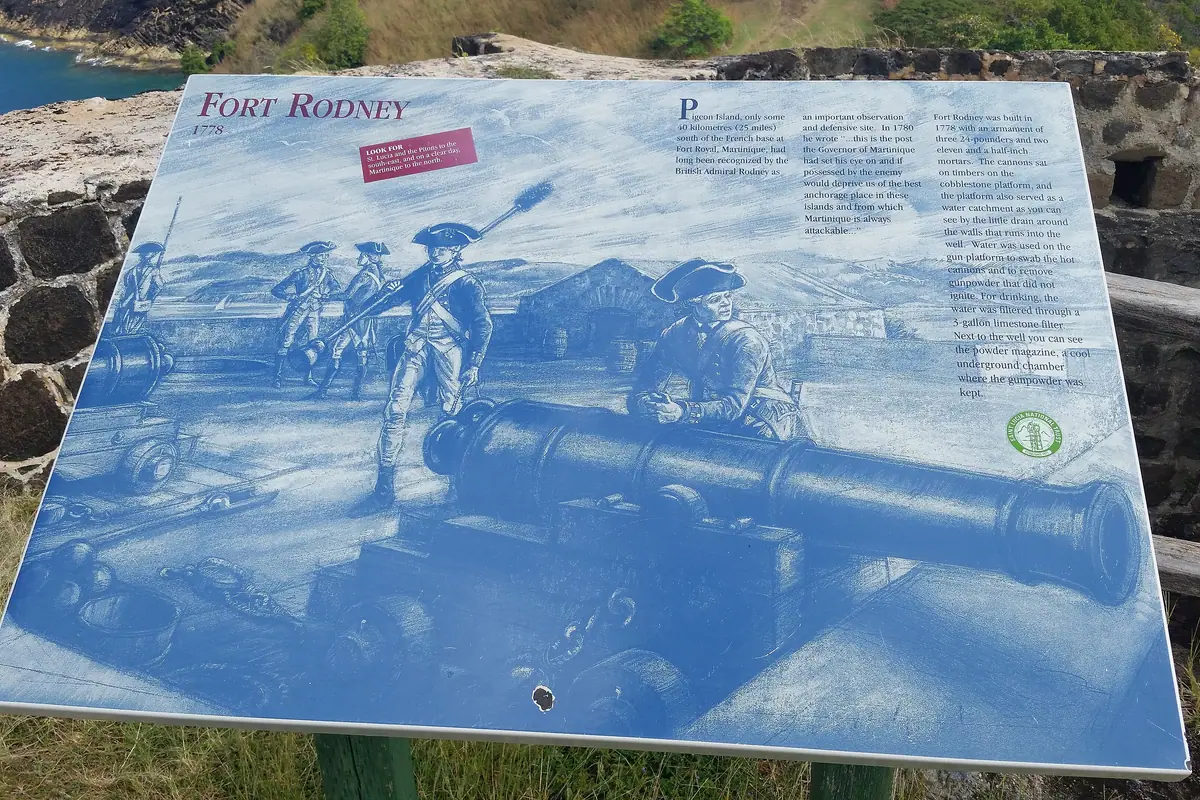
Just north, Pigeon Island National Landmark is the must-see of this coast: a former naval lookout connected to the mainland by a causeway, with ruins of Fort Rodney, a breezy climb to Signal Peak and views across to Martinique on a clear day. It also hosts big open-air concerts during the island's jazz festival. Nearby Cas en Bas and the beaches of Cap Estate are wilder and emptier, good for kite-surfing and long walks.
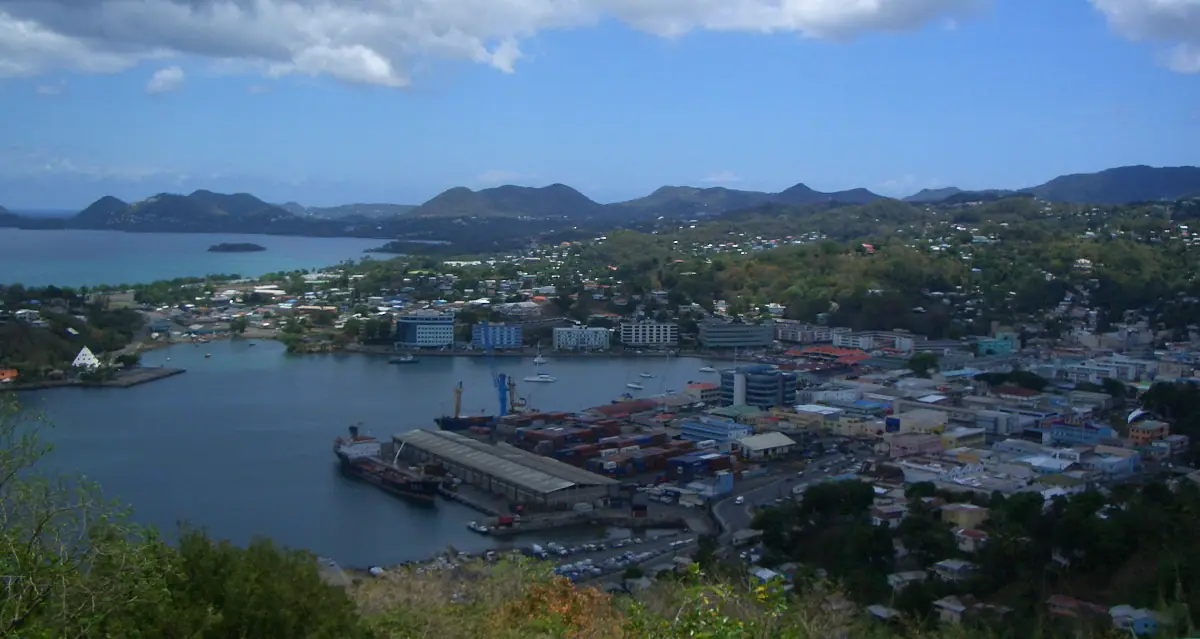
The north's signature evening is the Gros Islet Friday night street party, when the village closes a few lanes, grills fill the air with smoke and speakers get loud. It is loud, cheerful and very much a local night out as well as a visitor one. Come earlier in the day and Castries, the capital, rewards a wander: the covered market fills with cinnamon, nutmeg and hot-pepper sauce, while Morne Fortune above the city looks down over the harbour.
Marigot Bay, Castries and the Quiet In-Between
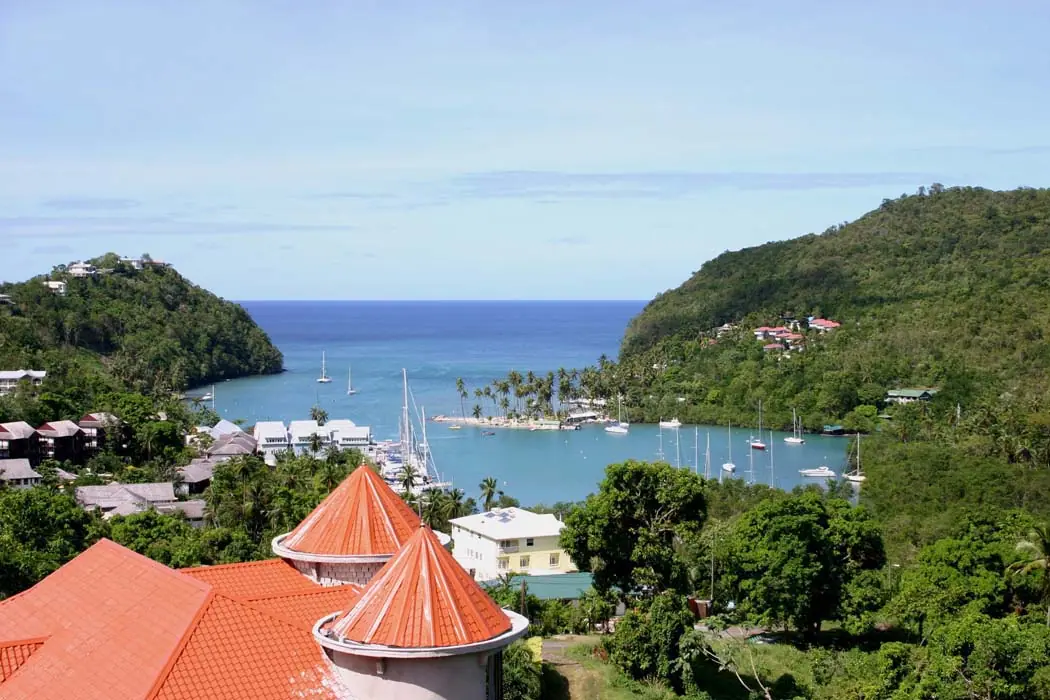
Marigot Bay is the compromise many travellers end up loving: a sheltered, palm-fringed inlet about 20 minutes south of Castries, ringed by hills and popular with yachts. Hotels here are smaller and calmer than the northern resorts, with ferry shuttles across the bay to restaurants and a beach that rarely gets crowded. It is a good middle ground if you want easy access to both the capital and the rainforest without committing to the far south.
Along the west coast between Castries and Soufrière, the road snakes through fishing villages such as Anse La Raye and Canaries, where Friday fish fries and creole cooking beat most hotel menus. Anse Cochon and the coves near Marigot are dependable snorkelling stops, often visited on catamaran day sails that run down the coast to the Pitons.
Staying in or near Castries itself suits short breaks, business travellers and anyone using the smaller airport. Vigie Beach is walkable from town, and the views from the hillside above the harbour — including the old fortifications on Morne Fortune — are an easy half-day. It is more city than resort, so don't expect barefoot luxury, but rooms are cheaper and transport is simple.
Plantation Inns, Rainforest Lodges and Eco-Stays
Saint Lucia's most characterful rooms are not always on the beach. Restored plantation houses and estate cottages around Soufrière, Fond St Jacques and the valleys below Mount Gimie mix thick stone walls, wooden shutters and working cocoa or banana land with modern comforts. Many are family-run, offer home cooking and can arrange guides for the trails that thread the interior.
If you want rainforest rather than sea views, look at lodges tucked near the Edmund Forest Reserve and the Des Cartiers and Barre de l'Isle trails, where the birdlife is exceptional — Saint Lucia's own parrot, the jacquot, is a real possibility on an early guided walk. These stays are cooler, wetter and wonderfully quiet, but you will need a car or a driver, and evenings are early.
Further east and south, around Dennery, Micoud and Vieux Fort, guesthouses and small hotels serve travellers who want the island without the resort markup. This is where you find Sault Falls, the mangrove and seabird reserves off Vieux Fort, and long empty Atlantic-side beaches. Wild, windy and cheap, the east coast is a different Saint Lucia altogether.
When to Go, What to Book and What to Expect
The dry season runs roughly from December to April: blue skies, steady trade winds and the highest rates, especially over Christmas, New Year and Valentine's week, when many hotels enforce minimum stays and book out a year ahead. May and June are a sweet spot — warm, greener, quieter and noticeably cheaper, with the island's jazz and arts festival pulling crowds in May.
Rainfall climbs from July to November, with September and October the wettest and the peak of hurricane season. Rates drop sharply, some restaurants close, and you should pack for short, heavy showers and humid nights — though the island often enjoys long sunny mornings even then. July brings Carnival and October brings Creole Day, both worth planning around; December sees the marina at Rodney Bay fill with transatlantic sailing crews.
A few practical points shape hotel choice. Saint Lucians drive on the left on steep, winding roads, so if you are not a confident driver, pick a base where taxis and hotel shuttles make sense. Transfers from the international airport near Vieux Fort take about 45 minutes to Soufrière and 90 minutes to Rodney Bay; if you land late, spend the first night close to the airport rather than tackling the mountain road in the dark. Finally, decide early between all-inclusive and independent — the first suits families and fuss-free honeymoons, the second gives you access to village bakeries, Friday fish fries and the food that makes the island memorable.
Frequently asked questions
Which part of Saint Lucia is best for first-time visitors?
For a one-week trip, the northwest around Rodney Bay and Gros Islet is the easiest introduction: swimmable Reduit Beach, restaurants and shops within walking distance, and Pigeon Island National Landmark on the doorstep. If scenery matters more than convenience, base yourself in Soufrière, where hotels look straight at Gros Piton and Petit Piton and the Sulphur Springs, Diamond Falls and Tet Paul Nature Trail are all a short drive away.
Should I book an all-inclusive hotel or an independent one?
All-inclusive works well for families, groups and anyone who wants fixed costs and no driving at night, particularly along the northern beaches. Independent hotels and guesthouses cost less per night and put you near local markets, rum shops and village food nights such as the Friday gathering at Gros Islet, but you will need to budget for taxis or a rental car.
When is the cheapest and best time to stay in Saint Lucia?
December to April is the driest and busiest period, with peak prices over the Christmas and New Year holidays. Late April, May and early June offer reliable weather and much lower rates, as do July to November, when you trade some rain and hurricane-season risk for the year's cheapest rooms and quiet beaches.
Do I need a rental car to get around from my hotel?
It depends on your base. In Rodney Bay and Gros Islet you can walk to beaches and restaurants and use taxis for longer trips. In and around Soufrière, and at rainforest lodges, a car or a pre-arranged driver is almost essential — roads are steep and winding, driving is on the left, and public transport thins out in the evening.
How long are airport transfers to the main hotel areas?
The international airport near Vieux Fort is in the south: expect roughly 40 to 50 minutes to Soufrière and Marigot Bay, and about 90 minutes to Rodney Bay and Cap Estate. The smaller airport by Castries is far closer to the northern resorts but only handles regional flights, so check which arrival point your itinerary uses before choosing a hotel.
Plan it — hotels in Saint Lucia
Live search, booked directly with trusted providers.
Sort the rest of your trip
Everything for Saint Lucia, in one place
Transfer in Saint Lucia
Private driver waiting on arrival — no queues, no surprises.
Book a transfer
Things to do in Saint Lucia
Skip-the-line tickets, guided tours and standout experiences.
See experiences
Stay online in Saint Lucia
Travel eSIM — data the moment you land, no roaming bills.
Get an eSIM