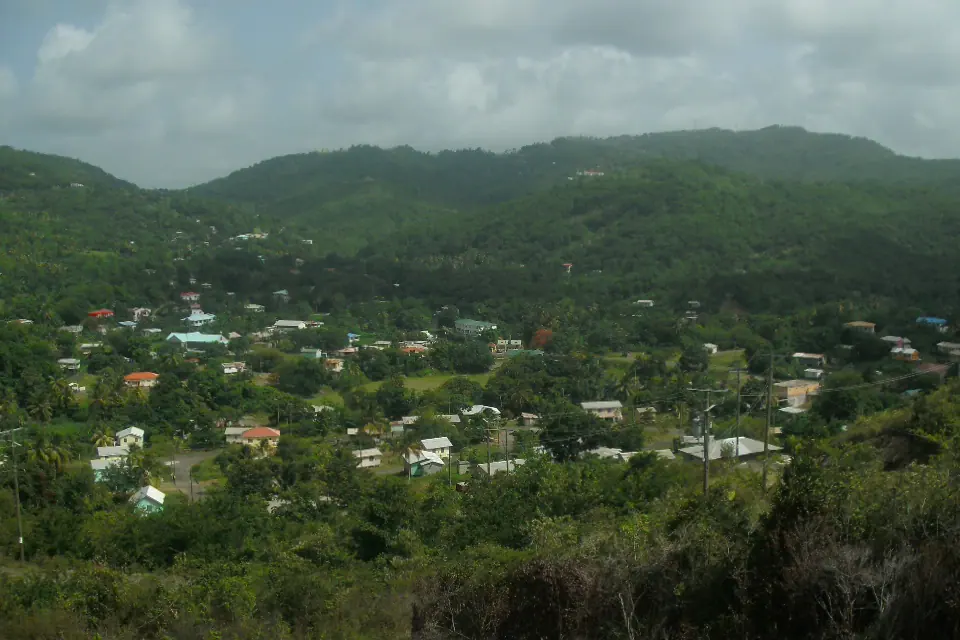
Saint Lucia packs an improbable amount into a single island: twin volcanic spires rising straight from the sea, a drive-in volcano that hisses and steams, rainforest trails where the island's own parrot calls overhead, and a north coast that swings between colonial forts and Friday-night street parties. This is a guide to the places that genuinely earn their place on a first visit — and the timing, terrain and local habits that make them worth the trip.
The Pitons and Soufrière: Saint Lucia's Volcanic Heart
Everything on Saint Lucia radiates from the Pitons — Gros Piton and Petit Piton, two forested volcanic plugs that rise around 770 and 740 metres straight out of the Caribbean just south of Soufrière. They are a UNESCO World Heritage Site, and the best way to appreciate them is from the water, where the full scale becomes obvious. On land, the town of Soufrière — the island's old French capital — makes the natural base, with colourful wooden houses, a busy little harbour and the Pitons looming at the end of every street.
The classic challenge is the Gros Piton hike: roughly two hours up and an hour and a half down, guided, with a steep, rocky trail that rewards you with views across to Petit Piton, the Soufrière coastline and, on clear days, neighbouring islands. Start by 7am to beat the heat and the crowds. Petit Piton is a technical scramble and not a casual walk. If you want the panorama without the climb, the Tet Paul Nature Trail takes about 45 minutes along a gentle ridge and delivers arguably the best Pitons photograph on the island.
Just outside town, Sulphur Springs Park is billed as the world's only drive-in volcano — you literally roll up to the crater rim of a collapsed caldera that still bubbles and vents. Nearby mud baths and the mineral-rich Toraille Waterfall are the standard add-ons, and the hot, grey water is a genuinely memorable half-day. Pair it with a stop at a working cocoa or banana estate and you have the essential Soufrière day.

Pigeon Island, Rodney Bay and the Lively North
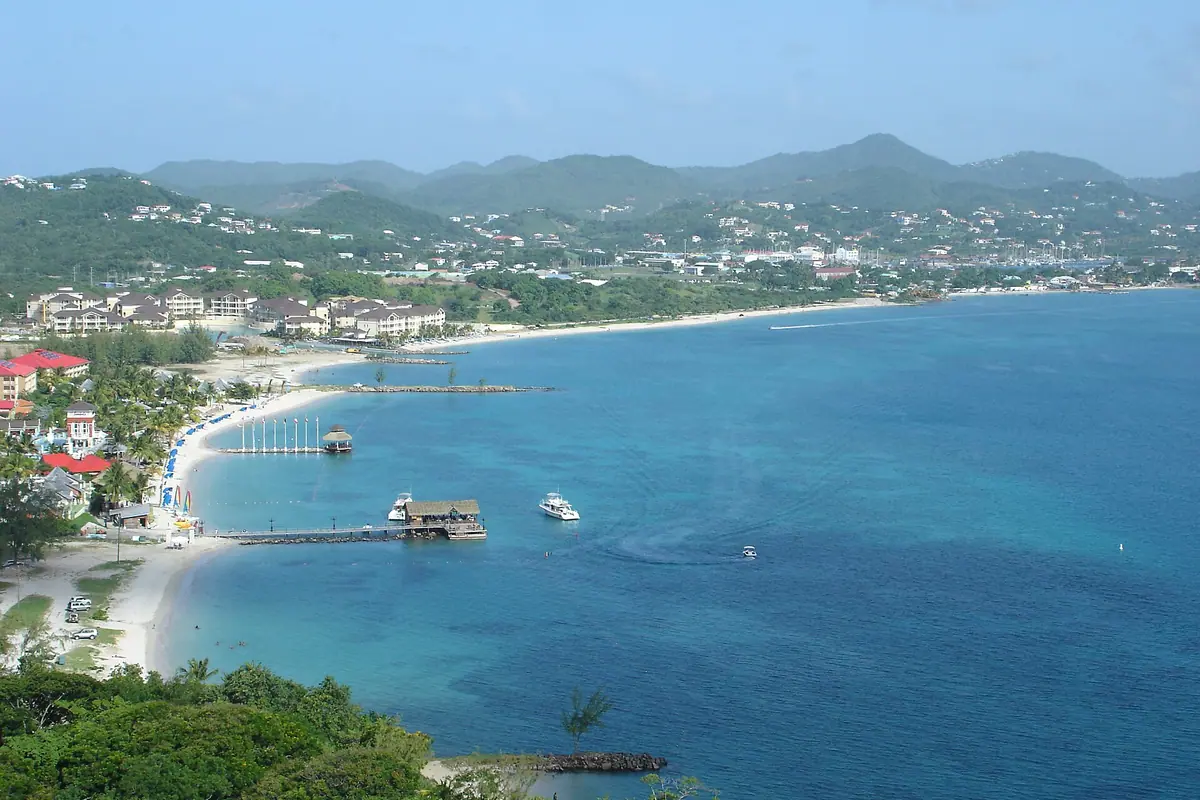
The north of Saint Lucia feels like a different island: flatter, busier, anchored by Rodney Bay and its long sweep of Reduit Beach, where the water is calm enough for families and the sand runs for well over a kilometre. This is the resort side of the island, with marinas, restaurants and easy access to boat trips, but it also holds one of Saint Lucia's most rewarding historic sites.
Pigeon Island National Landmark, joined to the mainland by a causeway, is a 44-acre headland of ruins, beaches and dry forest. Climb to Fort Rodney, an 18th-century British military outpost, then continue to Signal Peak for a sweeping view down the coast — on a clear day you can see all the way to Martinique. The site also hosts open-air concerts during the island's jazz season, which makes a sunset visit doubly worthwhile.
Friday nights belong to Gros Islet, where the weekly street party fills the lanes with grills, speakers and rum punch; nearby Anse la Raye runs its own fish fry on the same evening, a more local, seafood-heavy alternative. Between them, Rodney Bay Marina and the surrounding bay are the launching point for sunset cruises, sport fishing for marlin and quick hops north.

Rainforest, Waterfalls and Botanical Gardens
Saint Lucia's interior is steep, green and unexpectedly wet — the trade winds drop their rain on the peaks, feeding rivers, ferns and a rainforest that shelters the endemic Saint Lucia parrot, known locally as the jacquot. The Diamond Falls Botanical Gardens, just outside Soufrière, combines a six-acre collection of tropical plantings with a mineral waterfall whose colour shifts with the volcanic sediment, plus historic mineral baths on site. It is one of the island's oldest and most photogenic gardens.
For walking, the trails in the central forest reserve range from gentle to serious. The Des Cartiers and Edmund Forest Reserve trails are the classic birding routes, best tackled with a local guide in the early morning when the parrots are active. Barre de l'Isle, on the main ridge that divides the island, offers a shorter forest walk with views down both the Atlantic and Caribbean sides. On the wilder east coast, Mamiku Gardens mixes history with orchids, while Latille and Enbas Saut Falls reward those willing to get their feet muddy.
Roughly a quarter of the island is protected forest, so a guided hike is rarely just a walk — expect commentary on medicinal plants, cocoa, nutmeg and cinnamon growing wild. Bring closed shoes, a light rain shell and insect repellent; the trails can turn slick after rain, which in the interior is a near-daily summer event.
Marigot Bay, Reefs and Days on the Water
Marigot Bay, halfway down the west coast, is one of the most sheltered natural harbours in the Caribbean — a narrow entrance opening into a palm-fringed lagoon that has been a hurricane hideout for centuries. It is small, pretty and best seen from the water or from the viewpoint above the road; a short ferry hop across the bay is part of the ritual.
Saint Lucia's west coast is also the diving and snorkelling coast. The marine reserve off Anse Chastanet and the shallow reefs at Anse Cochon are the accessible picks, with coral gardens, sponges and reef fish close to shore, while deeper sites between the Pitons suit certified divers. Further south, Sugar Beach puts you on the sand directly beneath the Pitons, easily reached by water taxi from Soufrière.
Offshore, the island sits on a migration route for sperm whales, pilot whales and several dolphin species, so whale-watching trips run out of the west coast — sightings are best in the drier months, though boats go year-round. Add sea kayaking in Marigot Bay, a catamaran day sail from the north to Soufrière, or deep-sea fishing out of Rodney Bay, and you have the full range of ways to spend a day on the sea rather than beside it.
Castries, Markets and Creole Culture
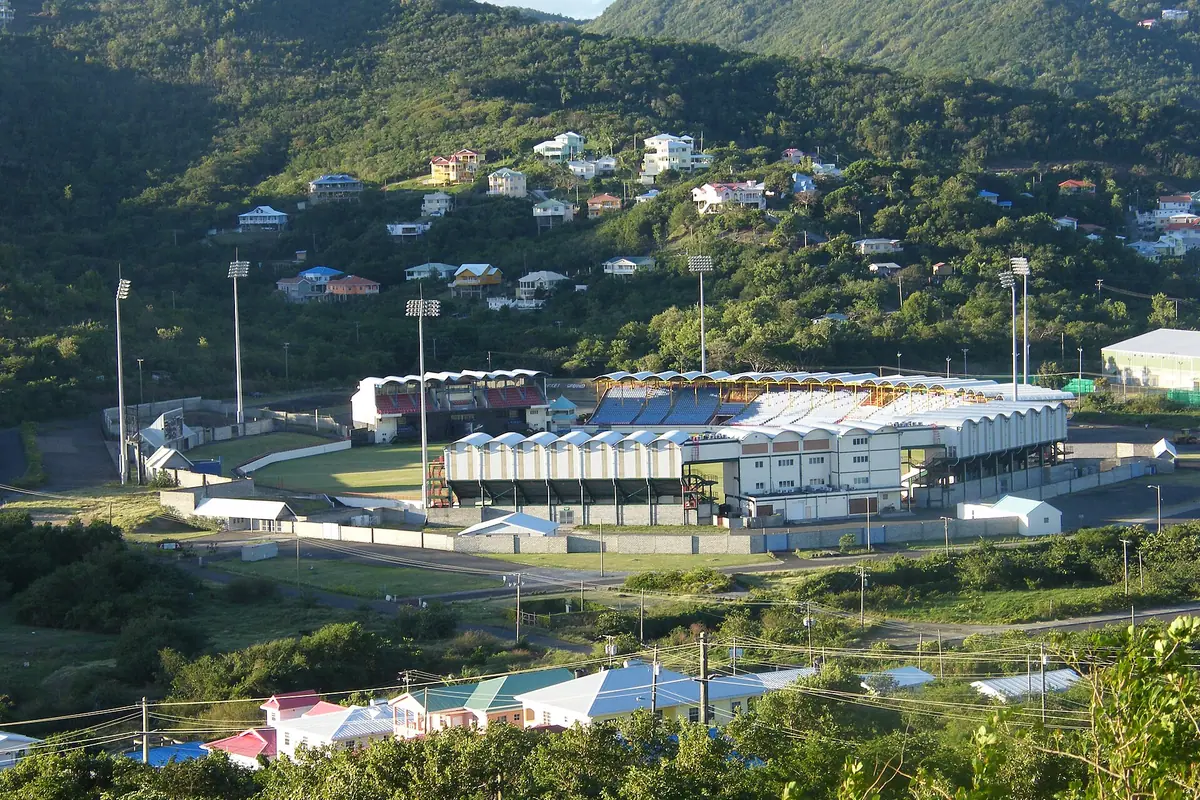
Castries, the capital, is a working Caribbean city rather than a postcard, and that is precisely its appeal. The covered Castries Market, trading since the 1890s, is the place to load up on mangoes, breadfruit, spices, hot sauces and handicrafts, with a separate craft section and a Saturday morning buzz that is worth planning around. Close by, Derek Walcott Square honours the island's Nobel-winning poet, and the Cathedral of the Immaculate Conception, with its vividly painted interior, sits at the edge of the square.
Above the city, the Morne Fortune ridge offers the classic overview of Castries harbour, dotted with the remains of old fortifications. For food, seek out the national dish of green figs and saltfish, callaloo soup, cocoa tea and grilled fish straight off the coals — and if you are on the island in October, Jounen Kwéyòl (Creole Day) fills communities with traditional cooking, dress and Kwéyòl music and speech.
The calendar is a reason to visit in itself: the Saint Lucia Jazz and Arts Festival in May draws crowds to venues around the island, Carnival takes over in July with soca, calypso and spectacular costumes, Independence Day on 22 February brings parades and street food, and December sees the sailing fleet arrive at Rodney Bay for the Atlantic crossing season. English is official, but you will hear Kwéyòl everywhere, and a cheerful "bonjou" goes a long way.
When to Go and How to Get Around
The dry season runs roughly December to April, with January to March the busiest and most expensive stretch — steady sunshine, lower humidity and the most reliable conditions for hiking the Pitons and sailing. May and June are a pleasant shoulder: still warm, greener, and quieter. The wet season from June to November brings short, heavy showers, higher humidity and the peak of hurricane season, with September and October the likeliest months for storm systems. Temperatures hover between about 26°C and 30°C all year, tempered by trade winds, so rain rarely means a washed-out day.
Getting around takes planning. The island is only about 43 kilometres long, but roads are narrow, winding and slow, and the drive from Castries in the north to Soufrière in the south can take an hour and a half or more. Driving is on the left; hiring a car suits confident drivers, while taxis, minibuses and water taxis along the west coast are easier options for shorter stays. The larger international airport is in the south at Vieux Fort, so if you are basing yourself in Soufrière you avoid the long transfer.
Allow at least five to seven days to see the island without rushing: two or three nights in the north for Pigeon Island, Rodney Bay and the Friday parties, then three or four in or near Soufrière for the Pitons, Sulphur Springs, the gardens and the reefs. Pack reef-safe sun cream, sturdy shoes for the trails, a light rain jacket, and cash in Eastern Caribbean dollars for markets, minibuses and small roadside stalls.
Frequently asked questions
What is the best time of year to visit Saint Lucia?
December to April is the dry season and the most reliable window for hiking, sailing and beach days, with January to March the busiest. May and June offer good weather with fewer crowds, while June to November is the wetter, greener hurricane season — September and October carry the highest risk of storms.
How many days do you need in Saint Lucia?
Five to seven days is the sweet spot. Split your stay between the north (Rodney Bay and Pigeon Island) and the south around Soufrière, so you can cover the Pitons, Sulphur Springs, the rainforest trails and the reefs without spending hours on winding roads every day.
Can you climb the Pitons without a guide?
No — the Gros Piton trail is climbed with a registered local guide, and the round trip takes roughly three and a half to four hours. Start early to avoid the midday heat. Petit Piton is a steep technical scramble and should only be attempted by experienced climbers with a guide.
Is Saint Lucia good for snorkelling and diving?
Yes. The calm west coast has the best conditions, particularly the marine reserve at Anse Chastanet, the reefs at Anse Cochon and the sites between the Pitons. Shore snorkelling is easy from several beaches, while certified divers get deeper walls, corals and wrecks. Whale and dolphin watching also runs from the west coast.
Do you need a car in Saint Lucia?
Not necessarily. Driving is on the left and the roads are narrow and slow, with the north-to-south journey taking an hour and a half or more. Taxis, minibuses and west-coast water taxis cover most visitor routes well; hire a car only if you are comfortable with steep, winding roads and want flexibility.
Plan it — experiences in Saint Lucia
Live search, booked directly with trusted providers.
Sort the rest of your trip
Everything for Saint Lucia, in one place
Stay in Saint Lucia
Hotels, guesthouses and apartments — compared in one search.
Search hotels
Transfer in Saint Lucia
Private driver waiting on arrival — no queues, no surprises.
Book a transfer
Stay online in Saint Lucia
Travel eSIM — data the moment you land, no roaming bills.
Get an eSIM