Liechtenstein is a principality you can drive across in half an hour, yet it holds a Rhine-side capital, a castle on a hill and a real alpine ski village inside roughly 160 square kilometres. Because it is so compact, timing decides everything — whether the ridge trails are open, whether the vineyards are being picked, and whether you will find a room at all in a country with only a handful of hotels.
Two Climates in One Tiny Country, and Why Timing Matters
Liechtenstein runs from the flat Rhine floodplain at around 450 metres up to the rocky spine of the Rätikon, where the Drei Schwestern peaks and the Augstenberg rise above 2,000 metres. That means the valley floor around Vaduz and Schaan and the mountain village of Malbun live in different seasons for much of the year. In April you can sit outside a café in Vaduz in a light jacket while the upper slopes are still buried in snow; in late October the valley is mild and golden while the first flakes settle on the Sareis ridge.
The accommodation side is just as particular. The country's hotel stock is genuinely small — a scattering of family-run properties in Vaduz, a few hillside hotels above Triesenberg, chalet-style guesthouses in Malbun and a couple of country inns near Ruggell and Schaanwald. There is no vast inventory to absorb a busy weekend, so availability, not price alone, is what should shape your dates.
The short answer for most travellers: late May to mid-June and September to mid-October give you the best combination of open trails, comfortable temperatures and a realistic chance of booking the hotel you actually want. July and August are the liveliest and the most crowded; December to March belong to skiers and to anyone who prefers museums and quiet streets.
Spring: Blossom on the Rhine, Empty Trails and the Lowest Rates
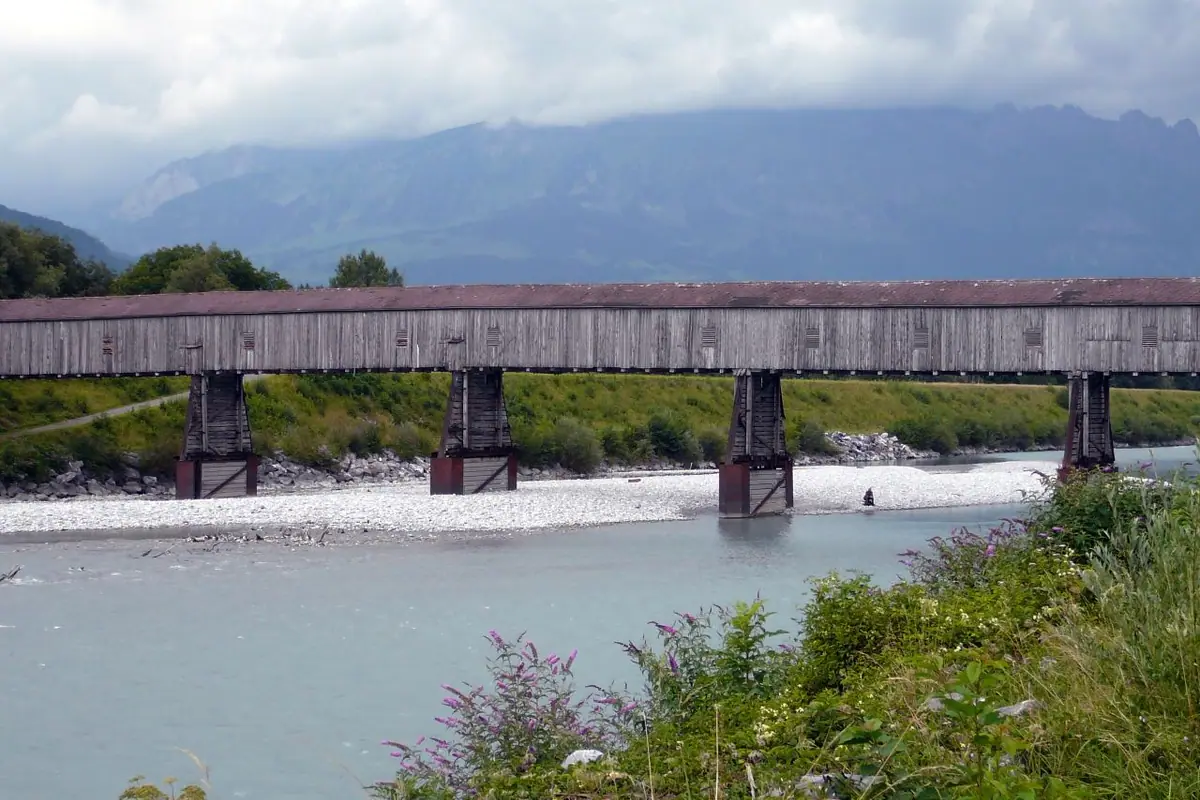
Spring arrives first along the river. April and early May bring fruit blossom to the valley, orchids and wading birds to the Ruggeller Riet nature reserve on the northern flats, and long, soft light on the wooden Alte Rheinbrücke, the old covered bridge that pedestrians and cyclists use to cross between Vaduz and the Swiss bank at Sevelen. In town, the Red House with its distinctive spiral staircase, the white St. Florin Cathedral and the cluster of modern buildings around the government quarter are all comfortably walkable in an afternoon without crowds.
Higher up, the picture is different. The Fürstensteig, the celebrated ridge path above Planken and Gaflei, usually stays snowbound until late May or early June, and the Sareis chairlift out of Malbun tends to start its summer timetable around the same time. Treat April and early May as a valley-and-museum season rather than a hiking one.
This is also the cheapest and easiest stretch of the year for hotel bookings. Book two to four weeks ahead and you will generally have your pick of rooms in Vaduz and Triesenberg, and you will often be offered a better category for the same money than you would get in August.
Summer: High Trails, National Day and the Busiest Beds of the Year
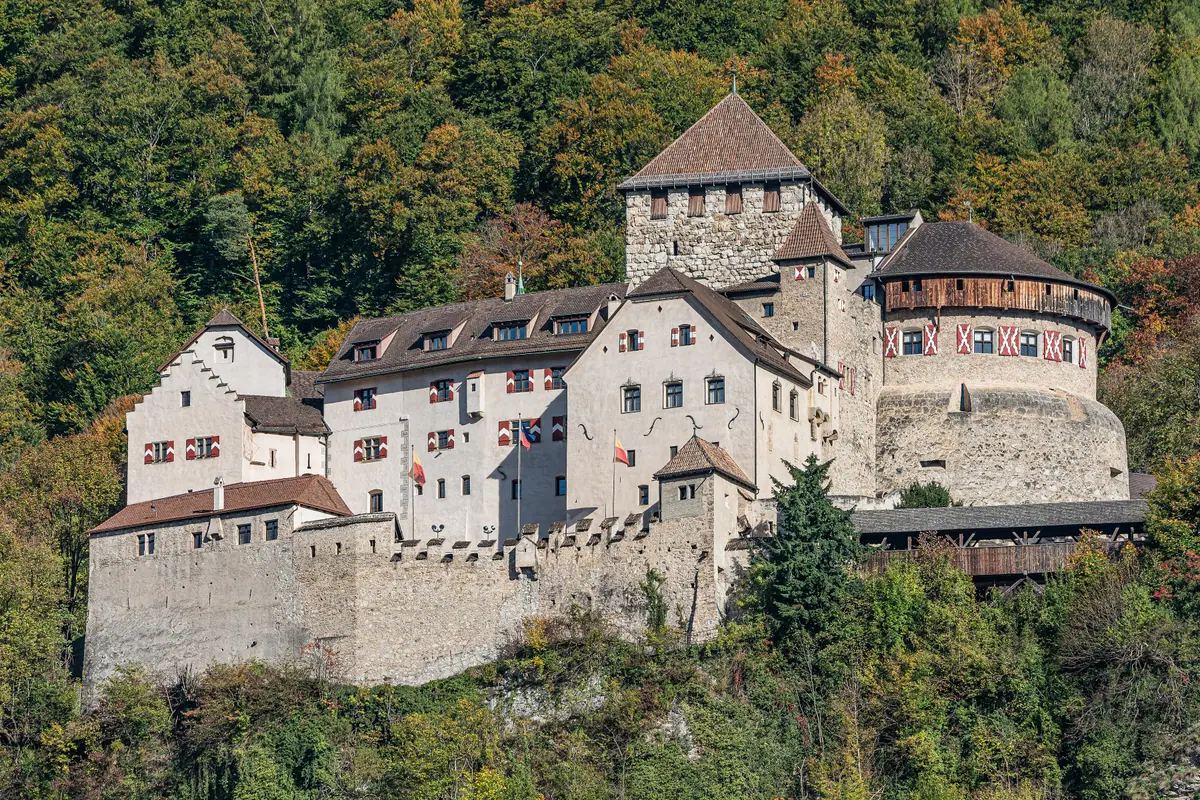
From mid-June the whole country opens up. Malbun becomes the base for walking, with the Sareis chairlift whisking you to roughly 2,000 metres for the ridge routes towards the Augstenberg and the border with Austria. Down in Vaduz, the black cube of the Kunstmuseum Liechtenstein, the Liechtenstein National Museum and the Treasure Chamber of the Princely Collections sit within a few minutes of each other, and the walk up to Vaduz Castle — still the princely residence, so admired from outside rather than toured — gives you the postcard view over the valley.
The single date to plan around is 15 August, National Day, when the whole principality turns out for a fireworks display above the castle and festivities in Vaduz. It is spectacular and it is also the hardest night of the year to find a bed. Valley temperatures sit in the mid-twenties Celsius, the mountains are noticeably cooler, and afternoon thunderstorms are a regular feature of July and August — start hikes early.
For summer weekends, and especially for National Day or a long weekend, book three to four months in advance. Mid-week stays in June and early July are the sweet spot: everything is open, but the pressure on the small number of rooms is far lower.
Autumn: Wine Harvest, Golden Larches and the Best Value
September is arguably the finest month to be in Liechtenstein. The vineyards that climb the slopes above Vaduz — the princely estate among them — are heavy with grapes, harvest runs from late September into early October, and wine taverns in the villages pour the young vintage. The light turns amber, the larches on the mountainsides glow gold, and the hiking season is still fully alive through the first half of October.
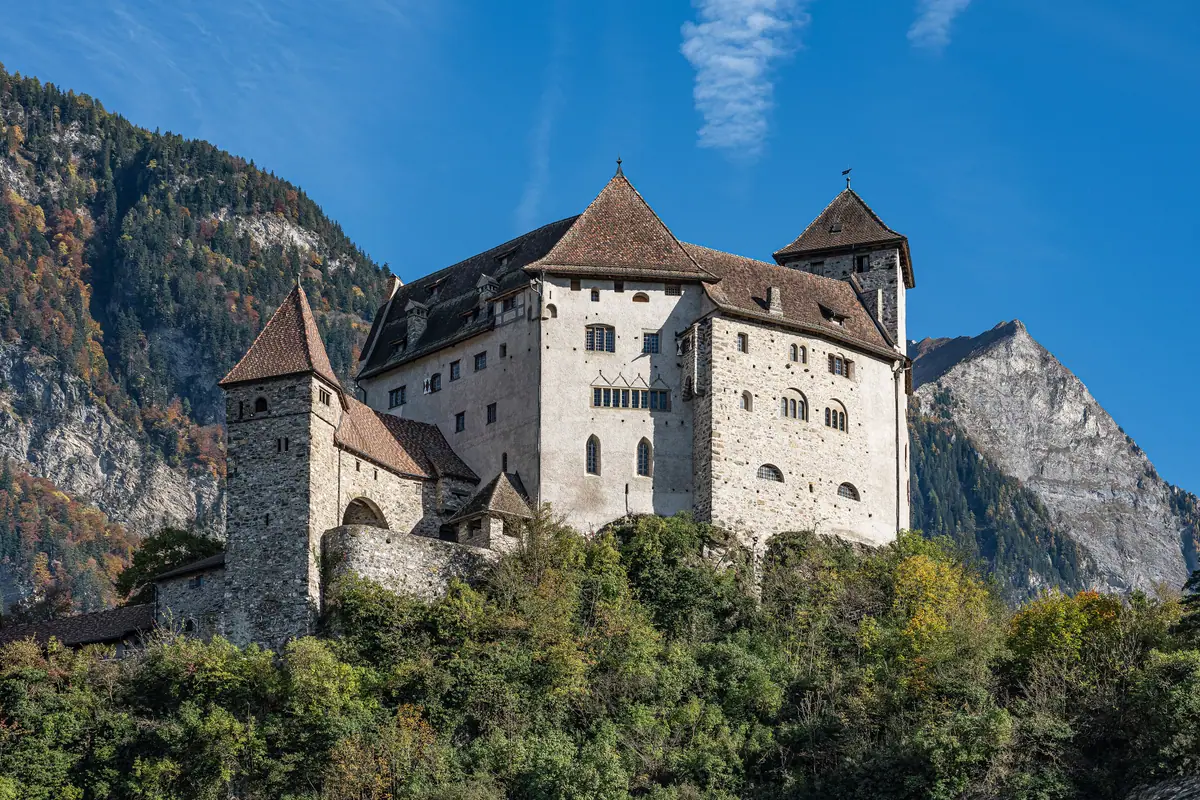
This is the season to head south to Balzers and climb to Gutenberg Castle, a hilltop fortress with a small museum and a sweeping view across the Rhine to Switzerland. Pair it with the Walser Museum in Triesenberg, which explains the distinctive dialect and heritage of the Walser families who settled these high slopes, and with the gentle Eschnerberg ridge around Schellenberg and Bendern, where Biedermeier houses and the little St. Mamerten chapel sit among orchards.
Hotel-wise, autumn is the quiet luxury of the year: the summer crowds have gone, rates soften, and a room with a valley view above Triesenberg feels like a bargain. By November the high trails close again and many mountain properties shut or strip back their service until the ski season begins, so aim for mid-September to mid-October.
Winter: Malbun Snow and Vaduz's Quiet Season
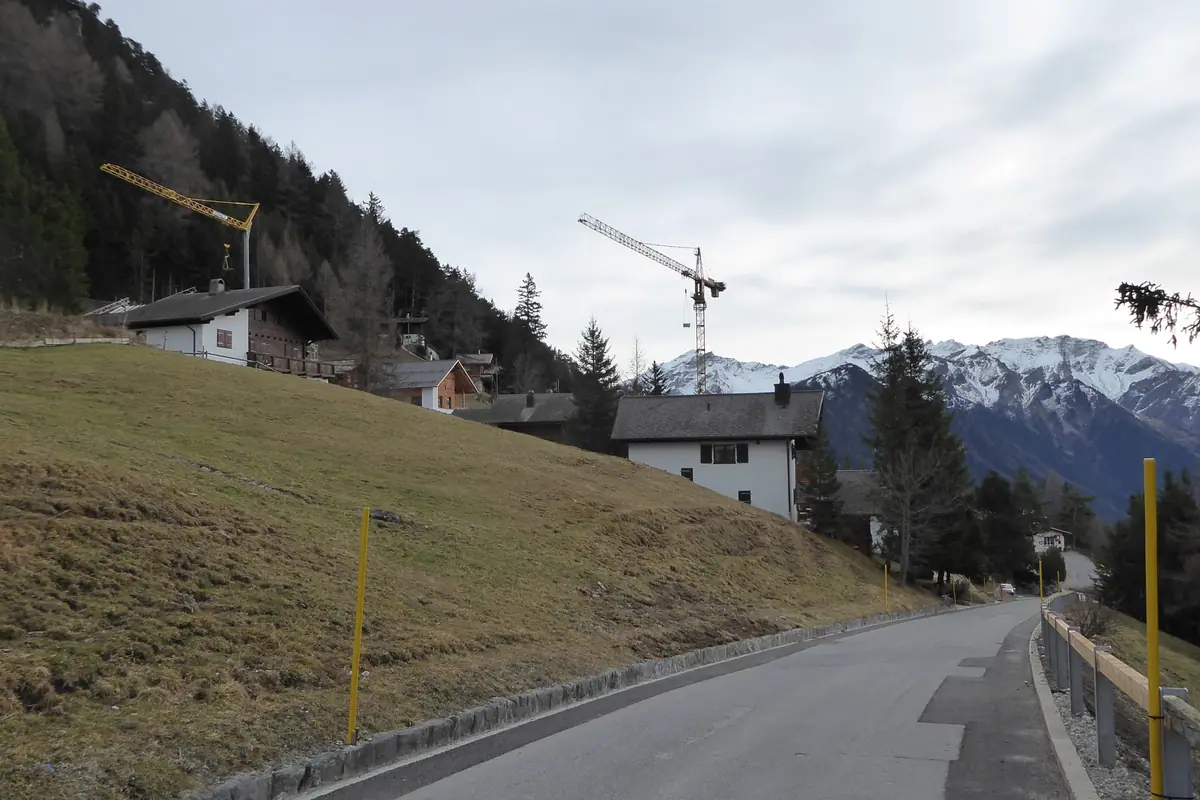
Malbun is Liechtenstein's only ski resort and it is deliberately small-scale — gentle, family-friendly slopes, a beginners' area, and the Sareis chairlift serving the upper mountain. The season typically runs from mid-December to late March, with the most reliable snow in January and February. Cross-country skiing and winter walking are on offer around Steg and along the cleared riverside paths in the valley.
Down in Vaduz, winter is museum season. The Kunstmuseum, the National Museum with its archaeology and folklore collections, the Postal Museum and the Treasure Chamber are all indoors and all within a short stroll of each other, which makes a cold, clear day genuinely rewarding. Early December brings a small Advent market to the town centre, lit against the castle above — modest in scale but atmospheric.
February is carnival time, when Fasnacht masks and processions take over the valley communities for a few days. Outside those dates, January is the quietest month of the year: a handful of valley hotels close for maintenance, so confirm your dates directly before booking, and expect the lowest rates of the winter.
How to Time and Book Your Stay Sensibly
Because the bed count is so limited, the rule in Liechtenstein is to book earlier than you would for a comparable Alpine destination. For a summer weekend, two to three months ahead is comfortable; for National Day on 15 August, the Christmas market period or a February ski weekend, think four months or more. If your dates are fixed and nothing is available, look just across the borders — Buchs and Sargans in Switzerland or Feldkirch in Austria are a short bus or train ride from Vaduz, and the valley is easy to explore from any of them.
There is no airport in the principality; most visitors arrive via Zurich, which is roughly a two-hour train-and-bus journey, or through the Austrian side of the Rhine valley. Local buses link Vaduz, Schaan, Triesenberg, Malbun and the northern villages efficiently, and many hotels issue a guest card that covers or discounts local transport — ask when you check in.
Finally, practical details that catch people out: the currency is the Swiss franc, cards are widely accepted but a little cash helps in village inns, and Sundays are very quiet with many shops shut. The two magic windows remain late May to mid-June and mid-September to mid-October — open trails, good light and a realistic chance of the room you wanted.
Frequently asked questions
What is the best month to visit Liechtenstein?
September is the strongest all-round month: the hiking season is still running, the vineyards are being harvested, the larches turn gold and hotel rates ease after summer. Late May and June are a close second for wildflowers, blossom and quiet trails, though the highest ridge paths may still hold snow.
How far in advance should I book a hotel in Liechtenstein?
Earlier than you would expect for the Alps, because the country has very few rooms. Two to three months ahead is sensible for a summer weekend, and four months or more for 15 August National Day, the December Advent market or a February ski weekend in Malbun.
When is the ski season in Malbun?
Malbun's lifts generally run from mid-December to late March, with the most dependable snow in January and February. It is a small, family-oriented resort rather than a major ski area, so it suits beginners, short breaks and anyone combining skiing with sightseeing in Vaduz.
Can I visit Liechtenstein as a day trip instead of staying overnight?
Yes — many visitors come from Zurich, Feldkirch or the Swiss Rhine valley by train and bus and see Vaduz, the castle viewpoint and one museum in a day. Staying at least one night is worthwhile, though, because it lets you reach Malbun, the Fürstensteig ridge or Gutenberg Castle properly.
What should I pack for Liechtenstein?
Layers, whatever the season. Valley days in July and August can be warm with afternoon thunderstorms, while Malbun and the ridge trails stay cool and can turn cold quickly. Sturdy shoes are essential for the Fürstensteig and the climb to Gutenberg Castle, and a light waterproof layer earns its place year-round.
Plan it — hotels in Liechtenstein
Live search, booked directly with trusted providers.
Sort the rest of your trip
Everything for Liechtenstein, in one place
Transfer in Liechtenstein
Private driver waiting on arrival — no queues, no surprises.
Book a transfer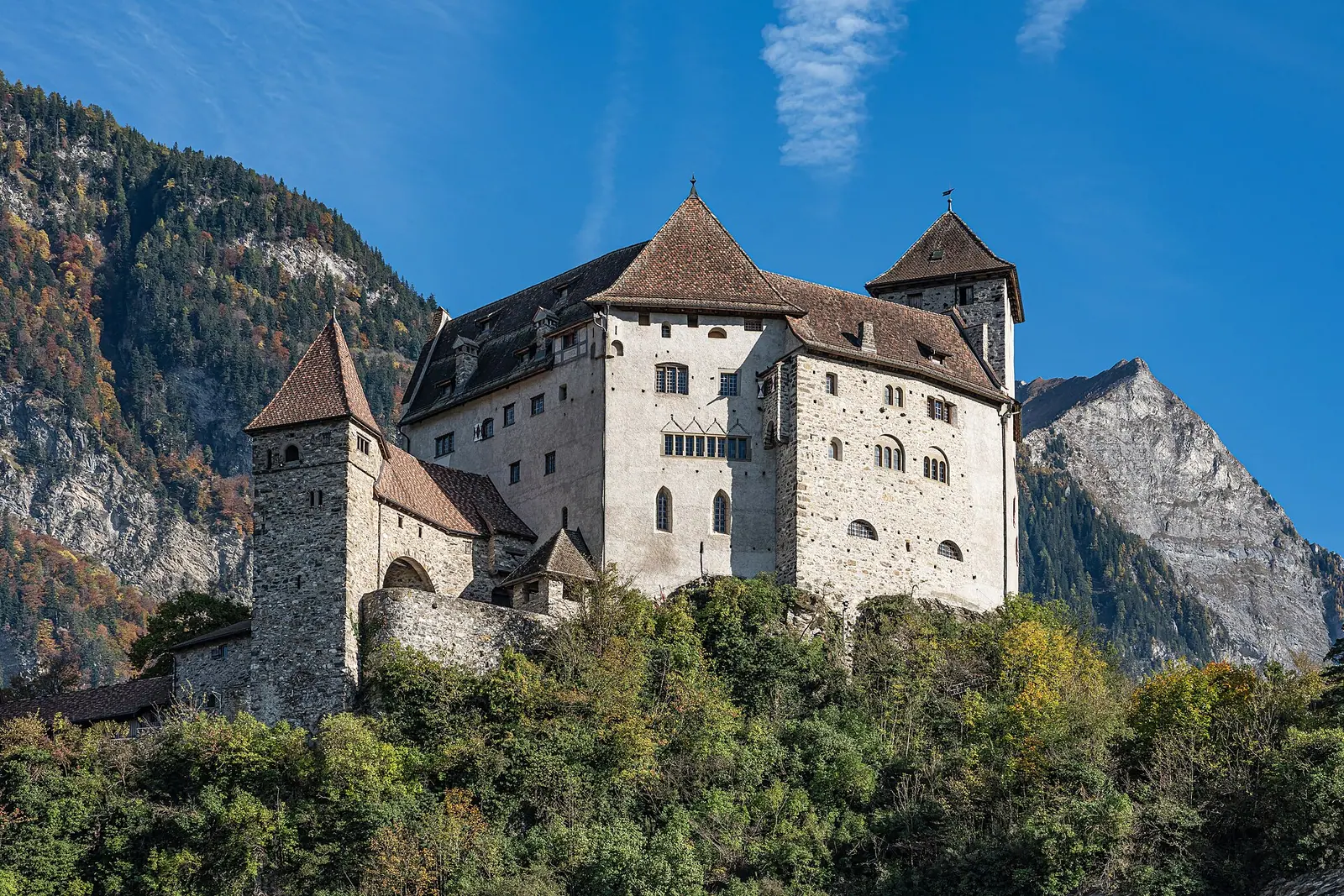
Things to do in Liechtenstein
Skip-the-line tickets, guided tours and standout experiences.
See experiences
Stay online in Liechtenstein
Travel eSIM — data the moment you land, no roaming bills.
Get an eSIM