Equatorial Guinea sits so close to the equator that the calendar has no winter, no spring and no real shoulder season — only wetter and drier stretches of a permanently hot, improbably green year. What changes between January and September is rainfall, road conditions and how easy it is to reach the beaches of Bioko or the forests of Monte Alén. Choose the right window and a modest guesthouse becomes a comfortable base; choose the wrong one and you will spend your holiday watching the rain from a damp room.
A Country Without Seasons: How Equatorial Guinea's Weather Actually Works
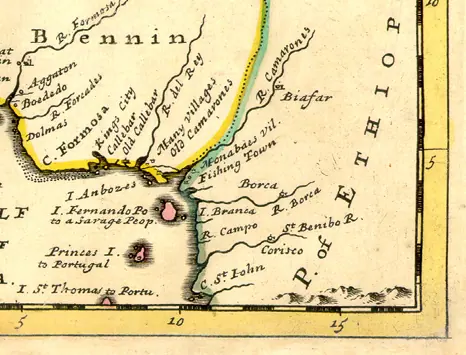
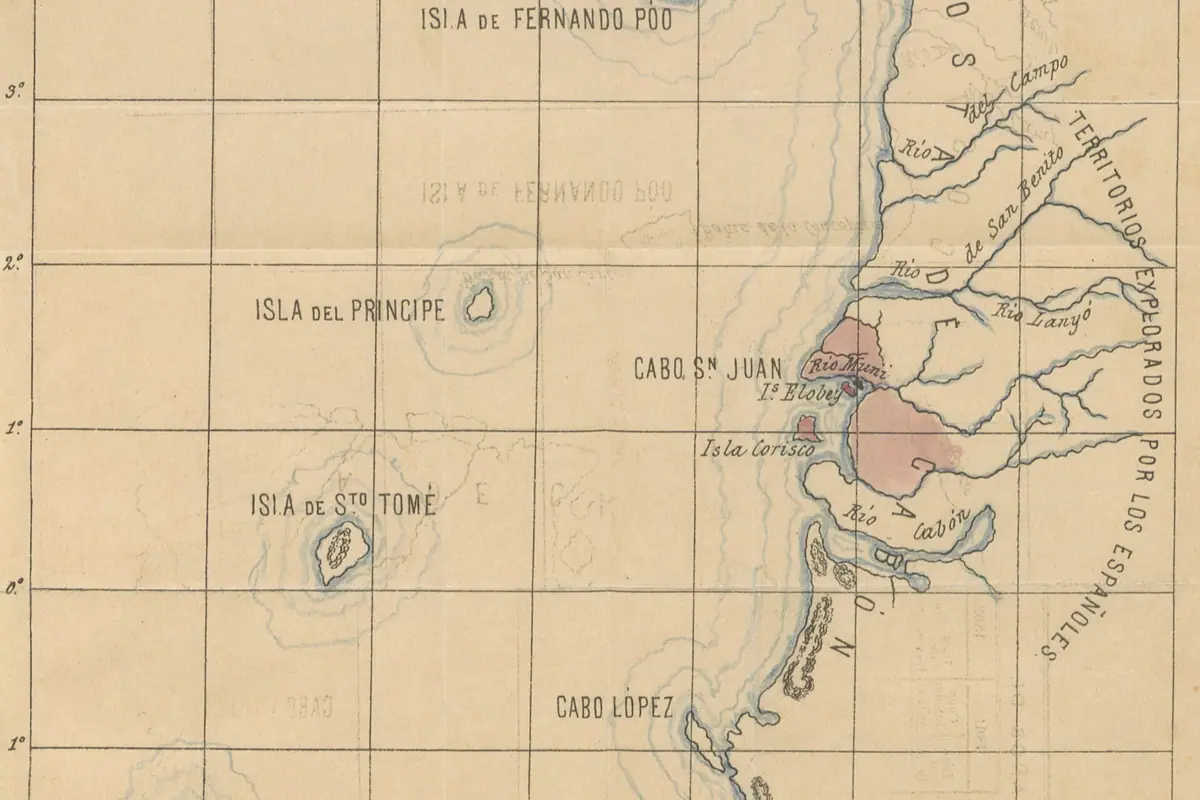
Equatorial Guinea is three destinations in one. Bioko, the volcanic island in the Gulf of Guinea, holds the capital Malabo and the cloud-soaked peak of Pico Basilé, which rises just over 3,000 metres straight out of the sea. Río Muni is the mainland block between Cameroon and Gabon, with the port city of Bata, the new administrative capital at Ciudad de la Paz, and the rainforest of Monte Alén. Far to the south lies Annobón, a small volcanic island with the crater lake of Lago A Pot. Temperatures barely budge all year — expect 25°C to 32°C by day, heavy humidity and warm nights — so the question is never whether it will be hot, but whether it will be pouring.
Rain is the real season-maker. On Bioko, downpours are possible in every month, with the heaviest, most sustained wet weather running roughly from April through October and a distinct lull from December into February. The southern coast around Ureca is one of the wettest inhabited places on the planet, so even the "dry" season there means frequent showers rather than clear skies. The mainland behaves a little more conventionally, with two recognisable drier spells, one from around June to August and another from December to February, separated by sticky, stormy months.
This matters more for hotels and transport than for sightseeing. In the wet months, red-laterite roads in Río Muni turn slick and rutted, small ferries and boat transfers to beaches such as Arena Blanca get cancelled, and rooms that are already simple become clammy, with bedding that never quite dries. In the drier windows you can move around freely, hike without wading, and actually enjoy the view from a terrace in Malabo rather than watching a wall of water.
December to February: The Best Window for Hotels in Malabo
If you have one shot at Equatorial Guinea and want the island, aim for the stretch between early December and late February. This is when Malabo gets its longest run of brighter, breezier days, the sea is calm enough for boat trips, and the colonial-era streets around the Santa Isabel Cathedral and the Plaza de la Independencia are genuinely pleasant to wander. Mornings are the time to walk the Paseo Marítimo waterfront and climb the road up towards Basilé, the little town at the foot of the volcano, before the afternoon heat settles in.
Hotel demand in this window spikes. Christmas, New Year and the post-holiday business period bring oil-and-gas crews, diplomats and returning families into the capital at once, and Malabo's hotel stock — a handful of full-service properties along the waterfront, plus smaller guesthouses and airport-side options — fills quickly. Book several weeks ahead, confirm that your room has working air conditioning and a backup generator, and ask specifically about hot water, which is far from guaranteed.
January and February are the sweet spot: the rains are at their lightest, the holiday crowds have gone, and rates relax a little. Just don't expect desert conditions. A short, fierce afternoon shower is always possible, and the humidity stays high enough that you will want quick-drying clothes and a light rain shell within reach at all times.
June to August and the Mainland: Bata, Monte Alén and the Deep Dry Spell
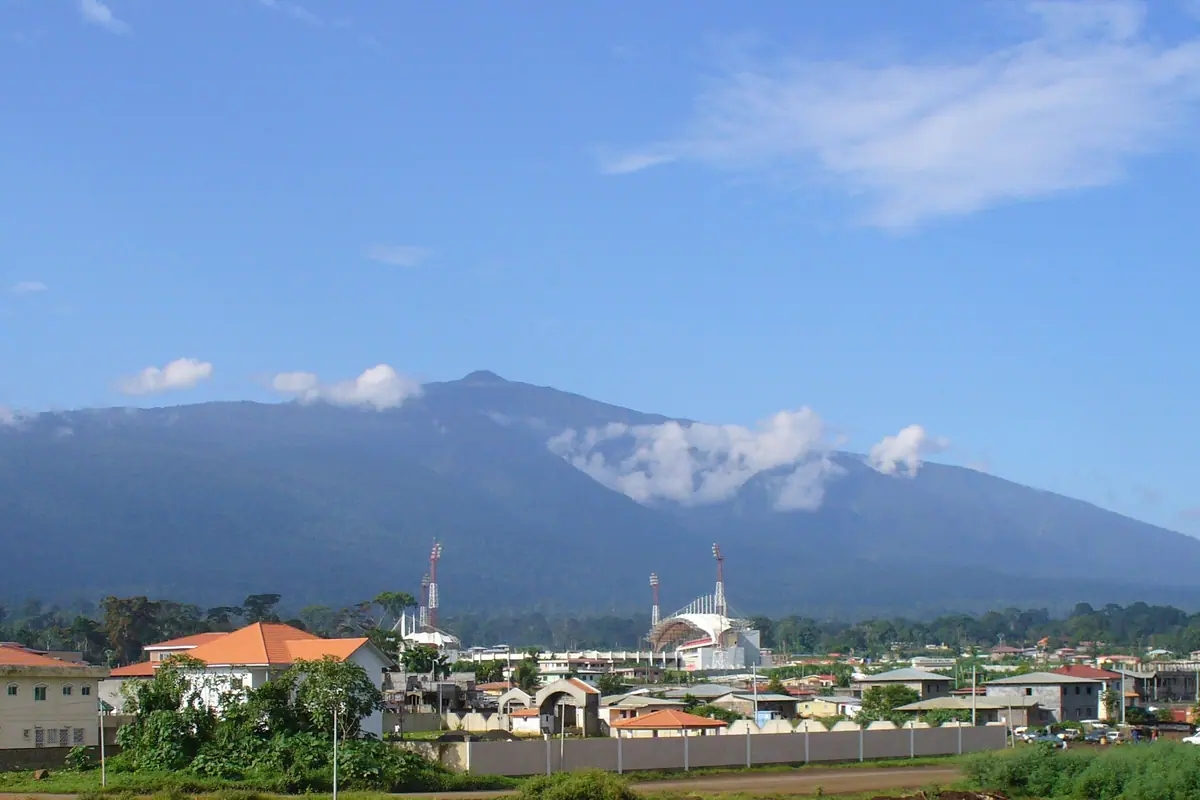
On the mainland, the clearest travel conditions arrive in the June-to-August window and again around December and January. This is when the tracks into Monte Alén National Park and the neighbouring Monte Mitra forest are at their most passable, when the coastal road down to Playa de Mbini and Punta Mbonda dries out, and when you can reasonably plan a day trip to Corisco Island or the northern reserve at Río Campo without the sky opening up. Forest elephants, gorillas, chimpanzees and a long list of birds live in these woods, and the drier months give you a genuine chance of finding them.
Bata itself is the mainland's hotel hub: a clutch of business-oriented hotels near the cathedral and the port, plus smaller pensions and guesthouses. Standards are modest but functional, and the town is a good base for both Monte Alén and the beaches south of the city. Further inland, the basilica in Mongomo and the emerging hotels of Ciudad de la Paz give you alternative stopovers if you are travelling towards the Gabon border.
The trade-off is that the mainland's dry season overlaps with Bioko's wettest, rainiest months. Trying to combine both regions in June or July means accepting heavy rain around Malabo and Ureca, plus possible flight and ferry disruption on the crossing between the island and Bata. If you only have a week, pick one region and commit to it rather than splitting your time and your luggage between two different climates.
Timing the Wildlife: Turtles at Ureca, Whales off Bioko and Forest Primates
For many visitors, the whole point of Equatorial Guinea is what lives in it. The black-sand beaches around Ureca, at the southern tip of Bioko, are a nesting ground for sea turtles, and nesting activity is concentrated in the drier, calmer months of the year. Reaching Ureca is an adventure in itself — by boat from Luba when the sea allows, or on foot through rainforest — and the village's simple lodgings are basic, so a dry-season visit is both more comfortable and more productive.
Humpback whales and dolphins move through the Gulf of Guinea in the second half of the year, which makes whale-watching boat trips from the Malabo area most rewarding between roughly August and October. That same period is wet, so plan around the weather rather than against it: go out early, keep the afternoon free, and treat any cancellation as normal rather than a disaster. The climb up Pico Basilé and the tough trek towards the Caldera de Luba crater are also far better in the drier months, when trails are firm, leeches are fewer and the cloud sometimes lifts enough to reveal the whole island.
On the mainland, Monte Alén's trail network degrades badly in heavy rain, so the drier spells from December to February and June to August are when guides can actually get you deep into the forest. Birdwatchers should note that the wettest months bring lush foliage and active frogs but also leeches, mud and a lot of waiting under a dripping canopy.
What Hotels in Equatorial Guinea Are Really Like — and When to Book Them
Hotel supply in Equatorial Guinea is small and concentrated in Malabo and Bata, with a scattering of guesthouses in towns like Luba, Mongomo and along the mainland coast. The better places offer air conditioning, a generator for the frequent power cuts, a water tank for the equally frequent supply interruptions and, usually, patchy Wi-Fi. International-standard comfort exists, but it is limited to a few properties and it is priced accordingly — this is not a budget destination. Bring cash in Central African CFA francs, since card acceptance is unreliable outside the main hotels.
Availability swings with events rather than with tourism. Independence Day on 12 October, Freedom Day on 3 August, Constitution Day on 15 August and the Christmas period all fill rooms, as do rotating shifts in the energy sector, which can make midweek bookings in Malabo surprisingly tight. Weekend rates are often softer. Because most visitors need a visa arranged in advance — commonly requiring an invitation or pre-approval — last-minute trips are rarely an option, so lock in both paperwork and accommodation at the same time.
In the rainy months, ask for an upper-floor room, check that the air conditioning actually works before unpacking, and confirm that mosquito nets or screened windows are provided. Damp bedding, musty wardrobes and slow laundry are normal between April and October. If you are travelling then, build slack into your itinerary: a cancelled boat to Arena Blanca or a delayed crossing between Malabo and Bata is a question of when, not if.
Holidays, Ferries and Packing: Practical Timing Notes
Public holidays cluster in ways that affect travel. Good Friday and Corpus Christi fall in the spring, Freedom Day comes on 3 August, Constitution Day on 15 August, Independence Day on 12 October, and Christmas and the Immaculate Conception close out the year in December. Around these dates, domestic flights between Malabo and Bata and the ferry service across to the mainland get busy or irregular, and hotels in both cities fill with family visitors. Book transport as soon as your dates are fixed, and avoid planning a same-day connection across the country on a holiday.
Packing should assume heat, humidity and rain regardless of the month. Light, quick-drying clothing, a breathable rain shell, waterproof sandals for muddy tracks, strong insect repellent and antimalarial medication are the essentials, along with a universal adapter for the 220-volt sockets. Binoculars earn their space on any trip to Monte Alén or the southern beaches of Bioko, and a dry bag will save your electronics on boat transfers.
The short answer to when to go: December to February for Bioko and Malabo, with January as the most reliable single month; June to August or December to February for Bata and the mainland forests. If your priorities are sea turtles at Ureca and clear views from Pico Basilé, aim for the drier months and accept a few showers; if they are rainforest wildlife at Monte Alén, go mainland-side in the dry spells. Either way, book your room early, confirm the generator, and treat Equatorial Guinea's weather as part of the adventure rather than an obstacle to it.
Frequently asked questions
What is the best month to visit Equatorial Guinea?
January is the most reliable single month for the island region, falling inside the drier stretch that runs from December to late February. For the mainland around Bata and Monte Alén, both June to August and December to February work well. If you want turtles at Ureca and clear views from Pico Basilé, choose the drier months too — but expect at least a few heavy showers, because it rains here in every month of the year.
Do I need a visa to visit Equatorial Guinea?
Most nationalities do, and it generally needs to be arranged before you travel, often with an invitation letter or pre-approval from a host or hotel. Because of this, last-minute trips are difficult, so start the paperwork at the same time as you book flights and accommodation. Always confirm current requirements with the nearest diplomatic mission well in advance.
Should I base myself in Malabo or Bata?
Malabo, on Bioko, is the better base for colonial architecture, the Santa Isabel Cathedral, the Plaza de la Independencia, Pico Basilé and the beaches at Arena Blanca and Ureca. Bata, on the mainland, suits Monte Alén National Park, Playa de Mbini, Corisco Island and overland travel towards Gabon. Getting between the two depends on domestic flights or an irregular ferry crossing, so pick one region if your trip is short.
Is the rainy season a bad time to visit?
Not necessarily, but it changes what is possible. Roads in Río Muni become slippery, boat trips to beaches and turtle beaches get cancelled, forest trails turn to mud, and hotel rooms feel damp. On the plus side, the landscape is at its greenest, rates are softer and crowds thin out. If you travel between April and October, build slack into your itinerary and keep plans flexible.
How far ahead should I book a hotel in Equatorial Guinea?
Several weeks ahead is sensible at any time, and two to three months is wise around Independence Day on 12 October, the August public holidays, Christmas and New Year. Business travel tied to the energy sector also fills Malabo midweek, so weekend stays are easier to secure. When you book, confirm air conditioning, a generator backup and hot water, none of which are guaranteed.
Plan it — hotels in Equatorial Guinea
Live search, booked directly with trusted providers.
Sort the rest of your trip
Everything for Equatorial Guinea, in one place
Transfer in Equatorial Guinea
Private driver waiting on arrival — no queues, no surprises.
Book a transfer
Things to do in Equatorial Guinea
Skip-the-line tickets, guided tours and standout experiences.
See experiences
Stay online in Equatorial Guinea
Travel eSIM — data the moment you land, no roaming bills.
Get an eSIM