Belize packs an unreasonable amount into a country you can drive across in three hours: the second-longest barrier reef on earth, jaguar-filled jungle, and Maya cities that once held tens of thousands of people. This seven-day route starts with your wheels-down at Philip Goldson International, swings through the cayes, then climbs inland to the ruins and cave systems that most first-timers underestimate. Pack reef shoes and a rain shell — you'll use both.
Day 1: Landing at Philip Goldson International and Orienting Yourself
Almost every international arrival touches down at Philip Goldson International Airport, set on the flat coastal plain about 10 miles northwest of Belize City. The airport is small, friendly and quick — immigration and baggage rarely take more than 45 minutes outside the December-to-April high season. English is the official language here, so you'll understand every sign, and the Belize dollar is pegged at a fixed two-to-one against the US dollar, which makes mental arithmetic mercifully simple.
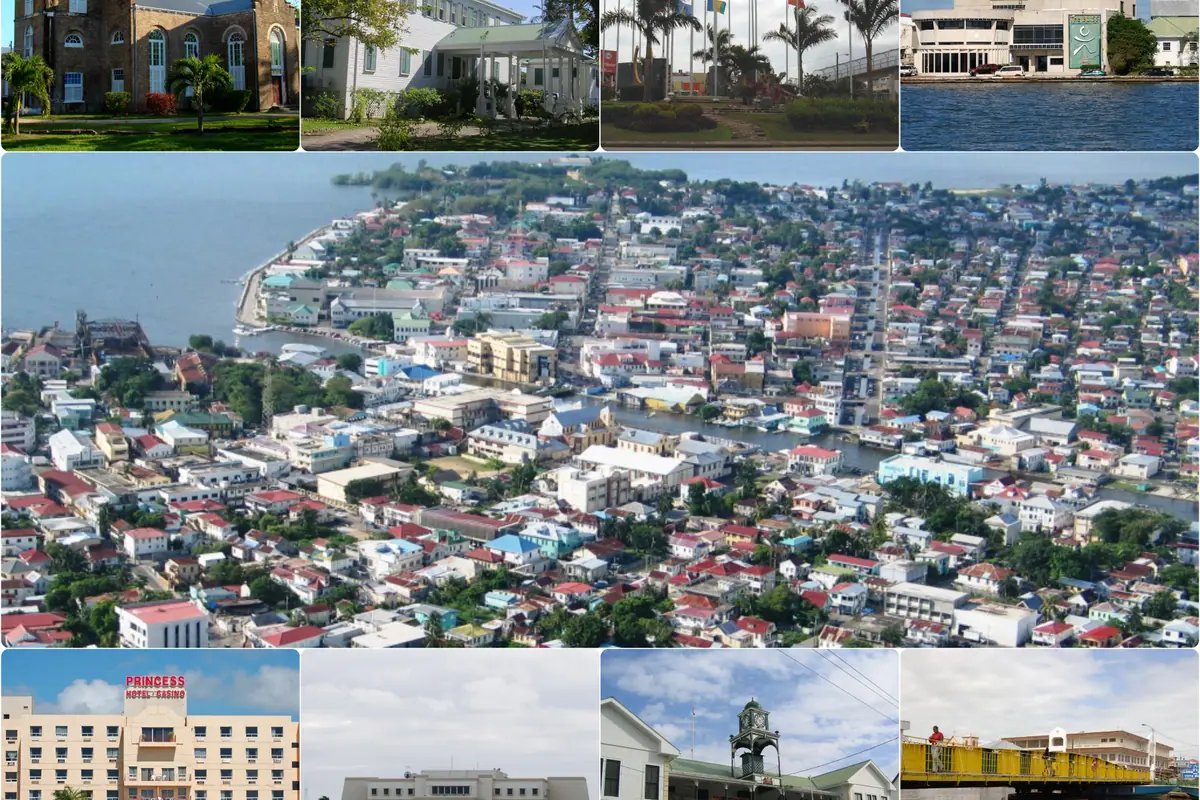
Before you race off to the islands, give Belize City half a day if you land early. The historic swing bridge over Haulover Creek is the heart of the old capital, hand-cranked until recently and still the hinge of the downtown market district. Nearby, St. John's Cathedral is the oldest Anglican church in Central America, built partly with bricks ballasted in sailing ships, and the colonial-era Government House tells the story of a port that was once the colony's entire reason for existing.
From here you have two ways to reach the cayes: a 15-to-20 minute hop on one of the small domestic airlines that serve San Pedro and Caye Caulker, or the water taxi from the city's docks, taking roughly 45 minutes to Caye Caulker and about 75 to 90 minutes to San Pedro. The boat is cheaper and more scenic; the plane saves you half a day. Book the last leg early in high season, when both sell out.
Days 2–3: Ambergris Caye, Hol Chan Marine Reserve and Shark Ray Alley
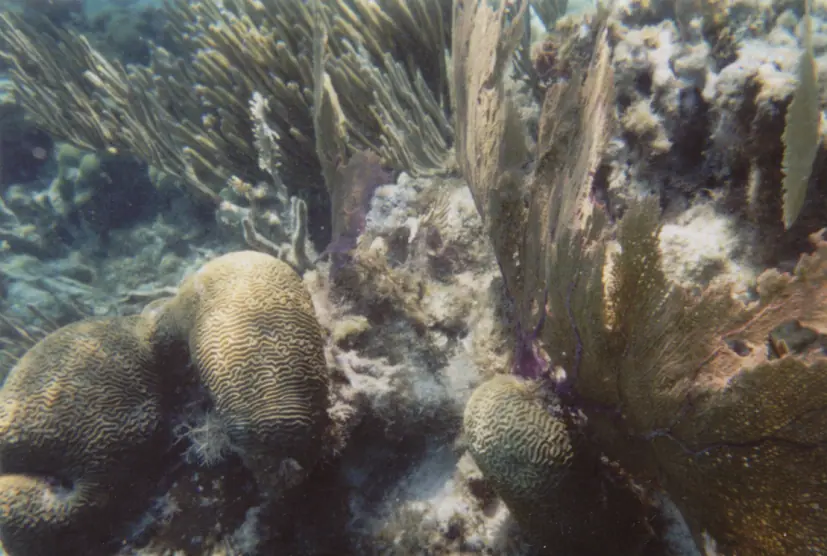
Ambergris Caye is Belize's busiest island and its most convenient base — a 25-mile sandbar of golf carts, wooden docks and beach bars, anchored by the town of San Pedro. Mornings are for the water. The must-do is Hol Chan Marine Reserve, a protected cut in the reef about four miles offshore where the coral comes close enough to the surface that even nervous snorkelers see angelfish, turtles, moray eels and swirling schools of grunts within minutes. Almost every boat pairs it with Shark Ray Alley, a shallow sandy patch where nurse sharks and southern stingrays cruise past your fins in water barely waist-deep.
Give the reef a full day and the island another half. On the leeward side, Secret Beach has become the caye's sunset hangout, with shallow turquoise water and food shacks; on the windward side, the barrier reef itself breaks just a few hundred yards from shore, so you can kayak out and snorkel straight off the beach. If you dive, this is where you book a full-day run to the Great Blue Hole or the walls at Turneffe Atoll — plan it for your second day so you're not diving within 24 hours of a flight home.
Practical notes: the dry season from December through April brings the clearest water and the calmest crossings, while sargassum seaweed can pile up on eastern beaches between May and August. Bites are a real thing at dusk, so bring repellent. And if you're continuing inland on Day 4, sort your water taxi or domestic flight ticket the night before — the early boats fill up with day-trippers.
Day 4: Caye Caulker, the Great Blue Hole Flyover and the Move Inland
If you want one slow morning in the islands, spend it on Caye Caulker. Smaller, sandier and noticeably more laid-back than San Pedro, it's famous for the Split — a channel carved through the northern tip of the island where the current runs strong and the water shifts from jade to deep blue. There are no real roads to speak of, just sandy lanes and bicycles, and the whole place can be walked end to end in 20 minutes.
Back on Ambergris, the signature splurge is the scenic flight over the Great Blue Hole, the 400-foot-deep, near-perfectly circular sinkhole in Lighthouse Reef Atoll that sits inside the Belize Barrier Reef Reserve System, a UNESCO World Heritage site. The flight takes about an hour and gives you the postcard view — dark navy centre ringed by shallow coral — that no boat-level photograph quite captures. Divers can instead take the long boat trip out and drop into the stalactite-lined cavern, but that eats an entire day.
By afternoon, head back to Belize City and pick up a rental car or arrange a shuttle west along the Western Highway toward San Ignacio. The drive takes about two hours through orange groves and low hills, and it's the moment Belize changes character: the Caribbean disappears, the Maya Mountains rise, and the air smells like wet limestone and citrus.
Days 5–6: Maya Ruins at Xunantunich, Cahal Pech and Caracol
San Ignacio is the natural base for the Cayo District, and two of Belize's best-known archaeological sites sit almost on its doorstep. Xunantunich, reached by a hand-cranked ferry across the Mopan River, is the showpiece: its pyramid, El Castillo, rises roughly 130 feet and carries a frieze of carved stucco figures on its eastern face. Climb it early — the view over the Mopan Valley to the Guatemalan border is best before the tour vans arrive around 10am. Cahal Pech, a compact royal complex on a hill above San Ignacio town, takes about an hour and is a fine warm-up.
Deeper into the jungle, Caracol is the largest Maya site in Belize and worth the commitment: a two-hour drive on a rough logging road, often with a military escort through the reserve. The reward is Caana, a 136-foot pyramid complex that remains the tallest man-made structure in the country, plus ball courts, reservoirs and a silence that Altun Ha's crowds never allow. Combine it with the Mountain Pine Ridge Forest Reserve on the way back — Rio on Pools, Big Rock Falls and the 1,000-foot drop of Thousand Foot Falls are all within a short detour.
The other unmissable Cayo experience is Actun Tunichil Muknal, the cave system known simply as the ATM. Tours involve a 45-minute jungle hike, three river crossings and a swim into the cavern mouth, then a scramble past pottery and ceremonial remains to the Crystal Maiden, a calcified skeleton that has become the site's emblem. Tours run with licensed guides only and numbers are capped, so book days — sometimes weeks — ahead, and expect to leave cameras behind entirely. Wear socks for the archaeological zone and clothes you don't mind soaking.
Day 7: Southern Belize, Wildlife and the Flight Home
With one day left, choose your finale based on where you're flying out. If you're departing from Philip Goldson International, head north to Crooked Tree Wildlife Sanctuary, a lagoon-and-wetland reserve about 50 minutes from the airport where jabiru storks, herons and kingfishers gather in numbers through the dry season — the easiest serious wildlife stop on the itinerary. Altun Ha, a compact but important ceremonial site roughly 30 miles north of Belize City, fits neatly into the same morning and was where a famous carved jade head was unearthed.
If your trip ends further south, the drive down the Hummingbird Highway — 55 miles of hairpin bends between citrus orchards and the Maya Mountains — is one of the most beautiful roads in Central America. Detour to the Cockscomb Basin Wildlife Sanctuary, the world's only jaguar preserve, for waterfall trails and river tubing, or continue to the Garifuna villages of Hopkins and Dangriga for drumming, cassava bread and a very different Belize from the cayes. Placencia, at the tip of a 16-mile peninsula, offers the country's calmest swimming beaches and, between March and June, whale shark encounters near Gladden Spit around the full moon.
Wherever you finish, build in a buffer. Domestic flights and water taxis can be delayed by weather, and the informal rule here is that the last connection of the day is the one you don't want to rely on. Aim to be back near Belize City the night before an international departure, and remember that check-in at Philip Goldson is quick — two hours is generous.
Frequently asked questions
When is the best time to visit Belize?
The dry season from December through April delivers the clearest diving and snorkelling conditions, the calmest boat crossings and the most reliable weather inland. May to November is the wet season, with afternoon showers, lower prices and higher humidity; September and October sit in the peak of hurricane season. Sargassum seaweed can affect east-facing beaches between roughly May and August.
Do I need to rent a car in Belize, or can I get around without one?
The cayes are car-free in practice — you'll walk, cycle or take a golf cart. For the Cayo District and the ruins, a rental car gives you real freedom, though the road to Caracol is genuinely rough and many travellers prefer a guided shuttle. On the Hummingbird Highway and around Placencia, a car is convenient but not essential.
How much time should I allow for the ATM Cave tour?
Plan a full day. The tour includes a drive from San Ignacio, a jungle hike with three river crossings, a swim into the cave entrance and several hours inside scrambling over rock and wading through water. Numbers are capped by permit and tours run with licensed guides only, so reserve well in advance in high season. Cameras and phones are not allowed inside.
Can I combine Belize with a side trip to Guatemala?
Yes. San Ignacio sits close to the western border, and day trips to the vast Maya ruins at Tikal across the frontier are a common add-on from Cayo. You'll need your passport, and border formalities can take time, so a guided day trip is usually smoother than going independently.
How do I reach the islands from Belize City?
Two options: a short domestic flight of roughly 15 to 20 minutes to San Pedro, or a water taxi taking about 45 minutes to Caye Caulker and 75 to 90 minutes to San Pedro. Flights cost more but save hours; boats are scenic and cheaper but can be bumpy in windy conditions. Book ahead during the December-to-April high season.
Sort the rest of your trip
Everything for Belize, in one place
Stay in Belize
Hotels, guesthouses and apartments — compared in one search.
Search hotels
Transfer in Belize
Private driver waiting on arrival — no queues, no surprises.
Book a transfer
Travel insurance
Medical cover, delays and lost baggage — sorted before you go.
Get covered