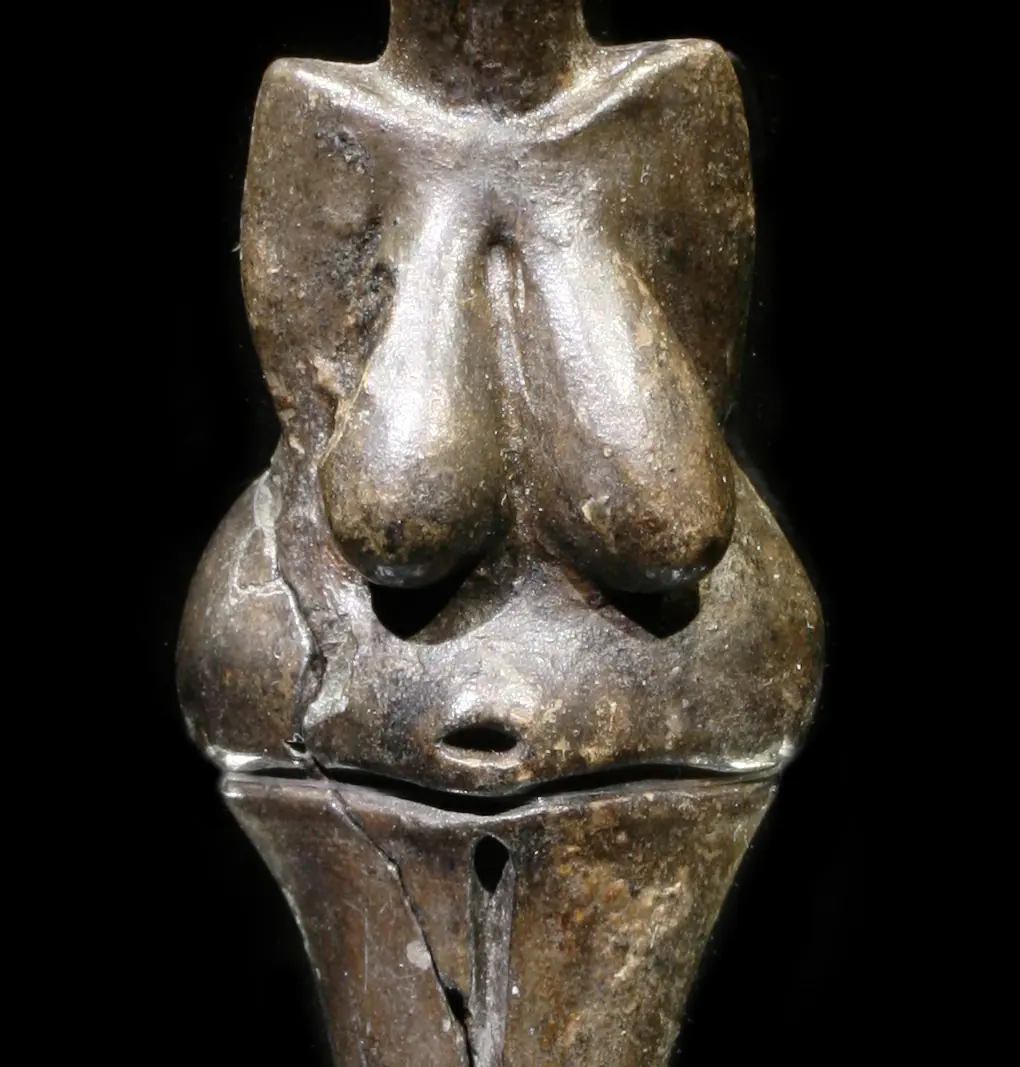
Czechia wears a different face in every season — gothic spires softened by April blossom, beer gardens humming under long June evenings, vineyards heavy with grapes in September, and Christmas markets glowing beneath snow-dusted roofs. Choosing when to go shapes not just what you see, but how much you pay and how crowded the cobbles feel underfoot.
Czechia Through the Seasons: What Actually Changes
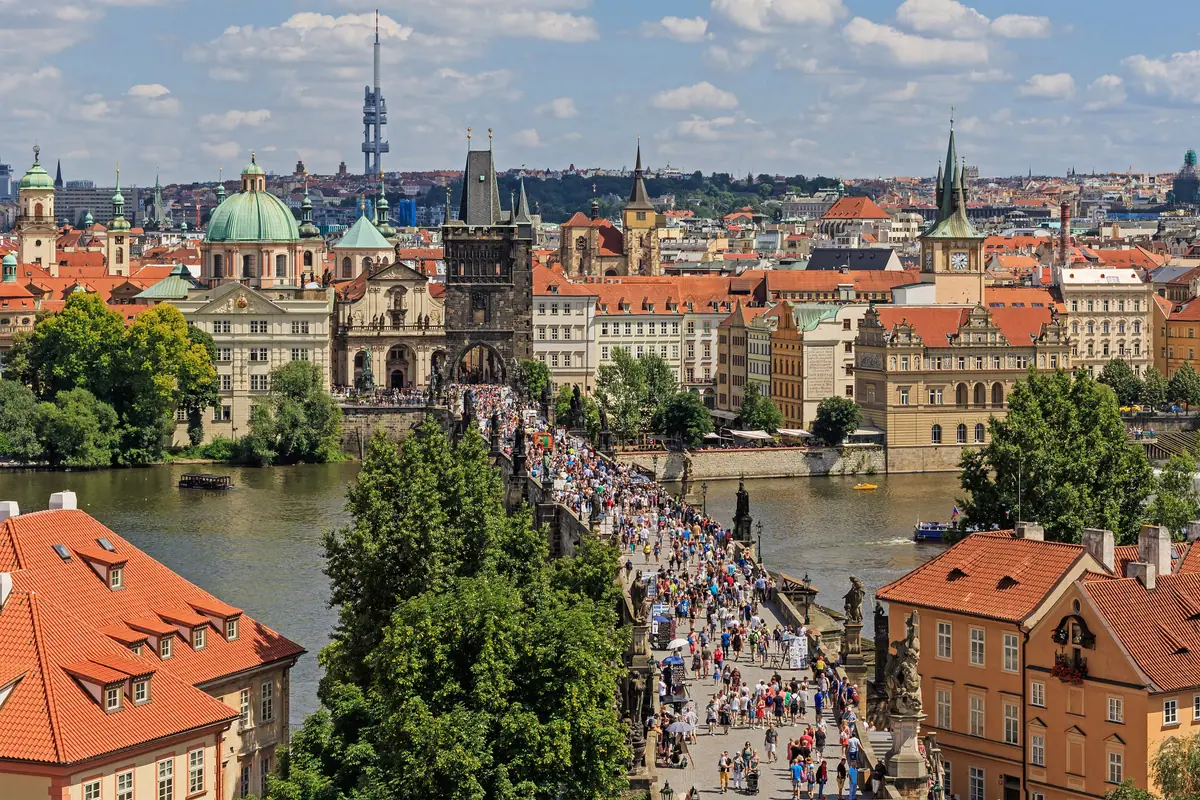
Prague Castle, Charles Bridge and Old Town Square with its Astronomical Clock are open all year, so the landmarks themselves never disappear. What shifts dramatically is the light, the crowds and the hotel market around them. Czechia sits in a continental climate: winters bite with temperatures often dropping below freezing, summers are warm and occasionally thunderous, and spring and autumn deliver the gentle, golden conditions most visitors hope for. The country is compact, so a week can comfortably combine Prague with a castle, a spa town and a wine village.
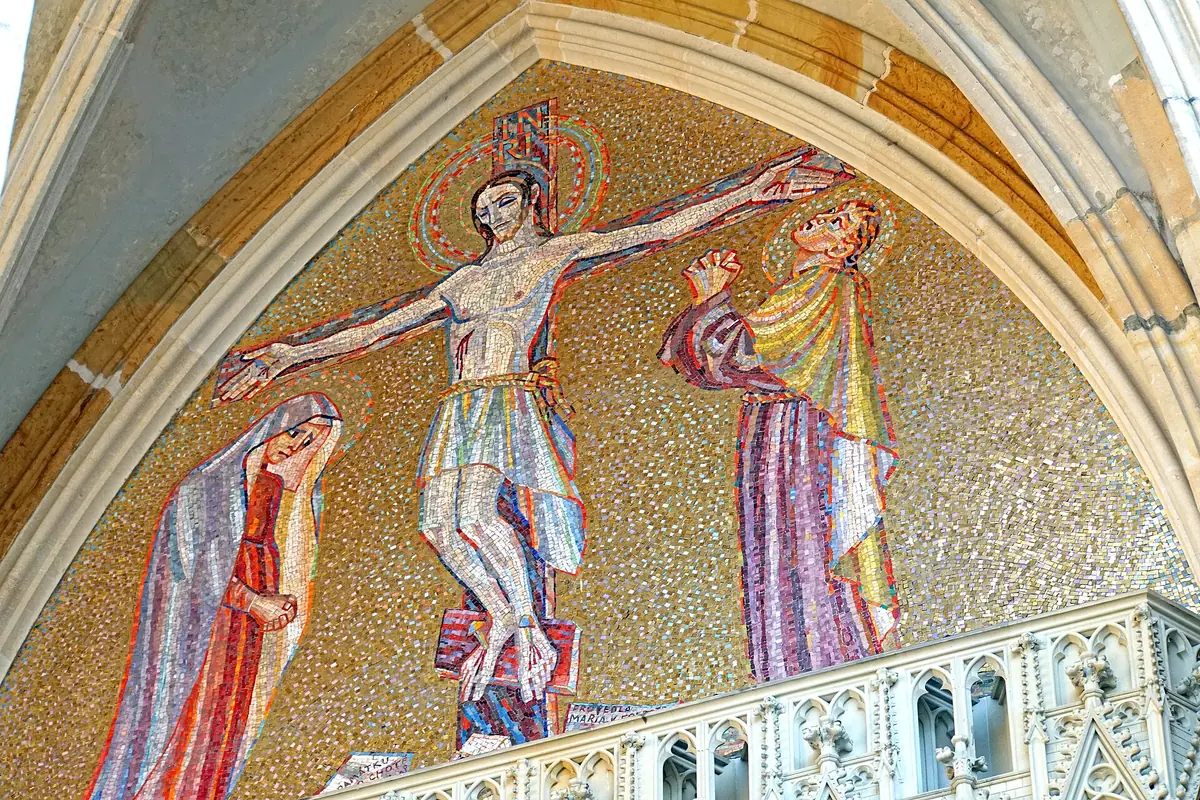
The single most useful rule is to travel in the shoulder weeks — mid-April to early June, and September to mid-October. During these windows you get pleasant walking weather, manageable queues at the ticket offices of Prague Castle and St. Vitus Cathedral, and hotel rates that sit well below the July and December peaks. A typical first visit needs three to four nights in Prague, plus one or two nights elsewhere; stretching that into shoulder season is where the savings and the breathing room appear.
Geography matters too. While Prague bustles year-round, the mountain resorts of the Krkonoše and the spa triangle of Karlovy Vary, Mariánské Lázně and Františkovy Lázně have sharply defined high seasons tied to snow, curative stays and long weekends. Small towns such as Telč, Olomouc and Mikulov empty out almost completely in November and fill again the moment blossom or harvest arrives.
Spring (March to May): Blossom, Easter Markets and Cheaper Rooms
March is still raw, with grey skies and cold winds, but it is also the quietest month of the year in Prague — you can photograph Charles Bridge at sunrise with almost nobody in the frame, and hotel rates are at their annual low. By late March the first Easter markets appear on Old Town Square and Wenceslas Square, filling them with painted eggs, willow whips, spring hams roasted over open fires and stands of mulled mead. It is a wonderfully local-feeling alternative to the December crush.
April and May are the sweet spot. Petřín Hill turns white and pink with blossoming trees, the orchards below Vyšehrad fill with picnics, and day trips to Karlštejn Castle or the bone church and St. Barbara's Church in Kutná Hora become genuinely pleasant rather than a test of endurance. Bohemian Switzerland National Park, with the Pravčická Gate arch and the boat ride through Edmund's Gorge, reopens its seasonal services and is at its best before the summer crowds arrive.
Two caveats for hotel planning: the May public holidays around the first and eighth of the month trigger domestic long weekends, when Czech families book spa towns and castles solid, and Easter weekend itself can sell out a month ahead in Prague's Old Town. Book six to eight weeks ahead for May, and aim for a room in Vinohrady or Žižkov if you want leafy streets and better value than the tourist core.
Summer (June to August): Peak Season, Beer Gardens and Long Days
June is arguably the finest month of all: temperatures in the low twenties, daylight stretching from around five in the morning to nearly nine at night, and crowds that have not yet reached their August intensity. July and August bring genuine heat, sometimes above 30°C, which is when Prague's beer gardens — the terraces in Letná Park and Riegrovy Sady, overlooking the river and the castle skyline — earn their reputation as the city's summer living rooms.
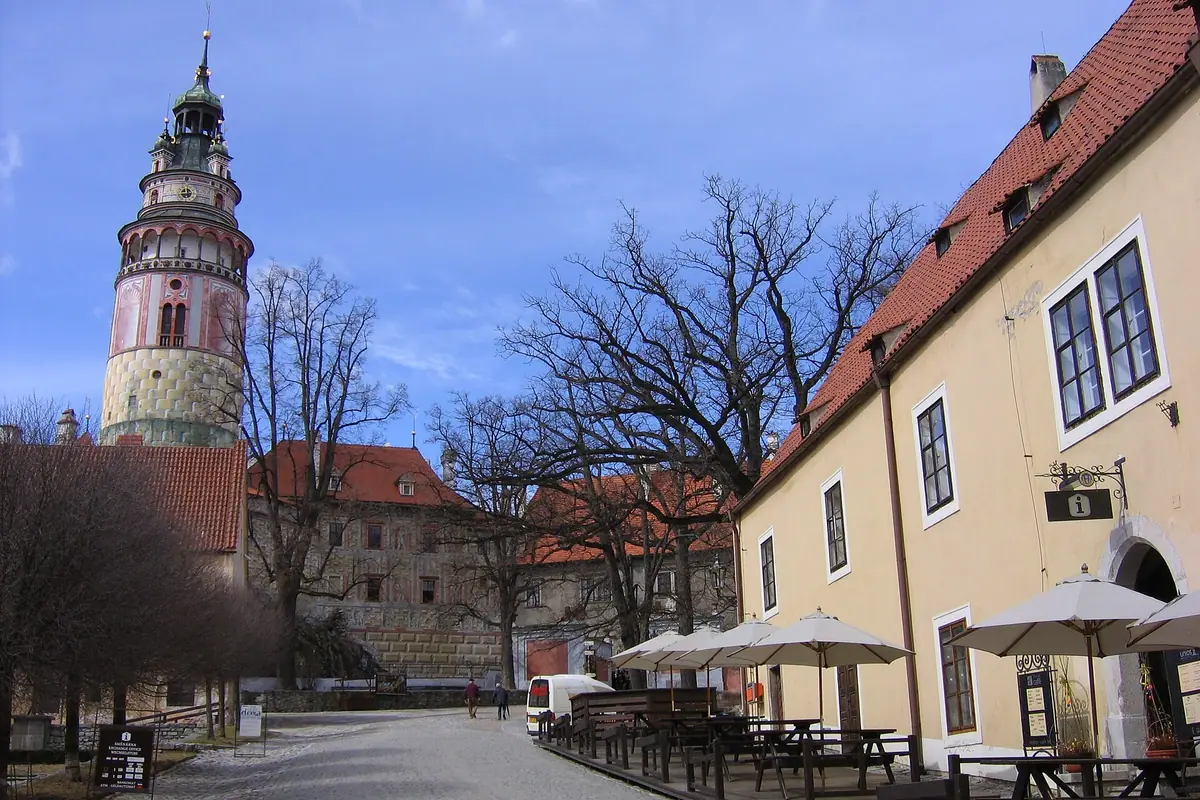
This is also day-trip season. Český Krumlov, with its castle and Baroque theatre, is a two-and-a-half-hour journey from Prague and deserves an overnight stay rather than a rushed coach visit, because the town becomes magical after the day-trippers leave. Kutná Hora, Karlštejn, the rock town of Adršpach and the mountain ridge of Sněžka in the Krkonoše all fill up, and the Vltava riverbanks host festivals that push city hotel rates to their yearly peak.
Book two to three months ahead for July and August, and check one detail carefully: air conditioning. Many historic Czech hotels and guesthouses occupy centuries-old buildings without cooling, which is charming in October and uncomfortable in a heatwave. If you are travelling with children or in a group, prioritise newer hotels or apartments on the outskirts, where parking is easier and trams reach the centre in fifteen minutes.
Summer evenings are also when the country's outdoor culture peaks — open-air concerts in castle courtyards, river cruises under Charles Bridge, and village fairs with brass bands. If your trip revolves around these, base yourself centrally and accept the higher rate; if it revolves around hiking in Bohemian Switzerland or the Krkonoše, a mountain pension with half board will beat a city hotel on both comfort and cost.
Autumn (September to November): Wine Harvest, Golden Castles and Best Value
September and early October may be the most photogenic weeks in Czechia. The light turns amber, the tourist tide recedes, and hotel prices slide back towards spring levels while the weather often remains warm enough for lunch outdoors. This is harvest time in the wine regions of South Moravia: Mikulov, Znojmo and the Pálava hills host open-cellars weekends, burčák — young, cloudy, partially fermented grape juice — appears in every village, and vineyard walks end in cellars carved into the hillside.
Castle country shines now. Karlštejn, the Gothic fortress built to safeguard imperial treasures, and the fairy-tale pile at Bouzov are far calmer than in July, while the Renaissance square of Telč and the chateau and gardens of the Lednice-Valtice estate feel like private discoveries. In Prague, the parks around Vyšehrad and Stromovka turn gold, and museum-going becomes pleasurable again, from the National Museum at the top of Wenceslas Square to the Jewish Quarter's preserved cemetery and synagogues.
November is the trade-off month: the cheapest hotel rates of the year outside deep winter, but short days, fog and many smaller castles closed until spring. It is ideal for a spa stay in Karlovy Vary or Mariánské Lázně, wandering colonnades with a thermal spring cup in hand, or for a two-night city break built around concerts, beer halls and galleries rather than sightseeing marathons.
Winter (December to February): Christmas Markets, Snow and Spa Towns
From late November until the first days of January, Czechia's squares transform. The Christmas markets on Old Town Square and Wenceslas Square in Prague are the most famous, but Brno's Svoboda Square, Olomouc's Upper Square with its Holy Trinity Column, and the little market beneath Český Krumlov's castle are warmer, cheaper and less crowded. Expect roasted sausages, honeyed gingerbread, hot wine and hand-blown glass baubles — and expect the year's highest hotel rates in Prague between mid-December and New Year.
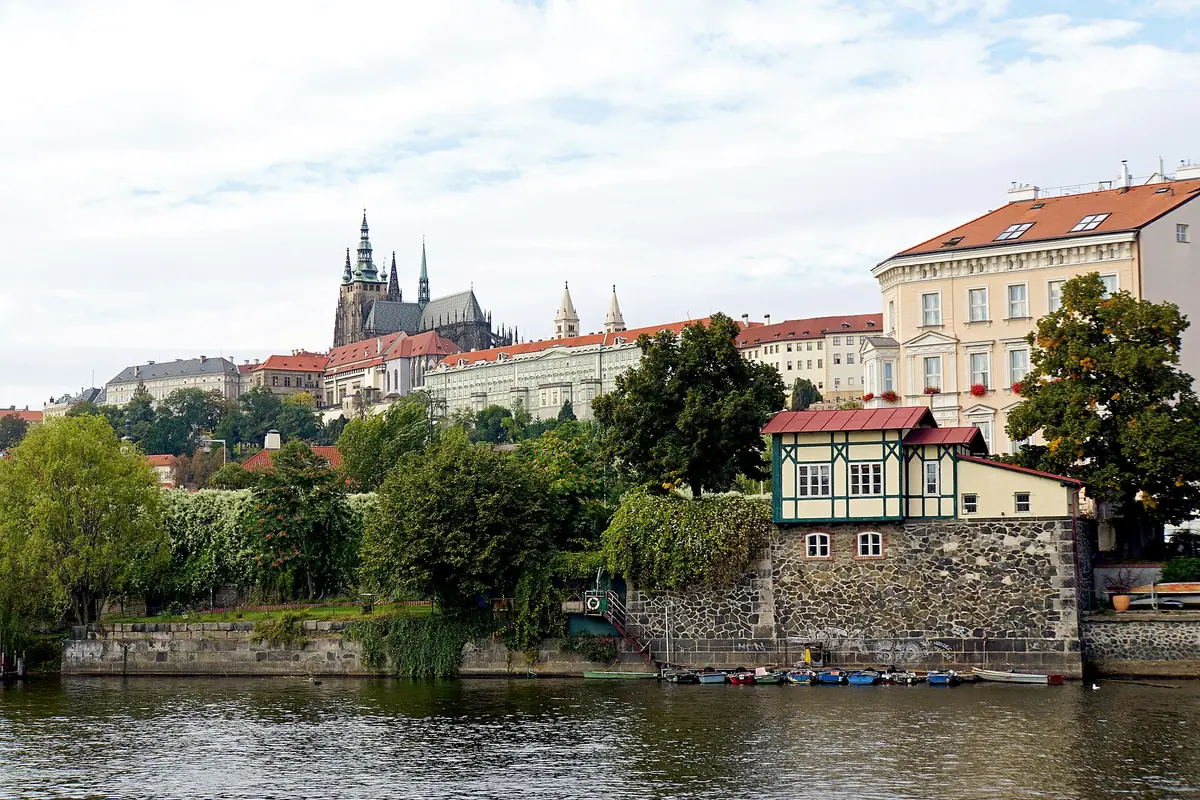
Once the markets close, winter becomes the bargain season. January and February offer the lowest city rates, empty museums, and the chance to see Prague Castle and St. Vitus Cathedral under a dusting of snow. In the mountains, the ski season runs roughly from late December to March, with Špindlerův Mlýn, Harrachov and the slopes beneath Sněžka drawing Czech families; mountain hotels typically require minimum stays and half-board during school holidays, so book early for February.
Smaller castles and chateaux mostly close from November to March, so build winter itineraries around indoor sights: the Old Royal Palace and Golden Lane inside Prague Castle, the much-photographed astronomical clock, the ossuary at Sedlec near Kutná Hora, and the country's excellent brewery museums and thermal spa complexes. Pack proper boots — cobblestones get icy — and treat short daylight hours, with sunset before five, as an invitation to long lunches and early concerts.
How to Time Your Hotel Booking Across Czechia
For Prague, book two to three months ahead for May, June, September and December; three to four months for New Year. Late March, late April, mid-June, mid-September and the first half of December give you the best blend of weather and availability. Within the city, the Old Town and Lesser Town put you beside Charles Bridge and Prague Castle at a premium, while Vinohrady, Holešovice and Smíchov offer characterful apartments, tram connections and noticeably lower rates.
Outside the capital, the booking rhythm follows local events rather than the calendar. South Moravian wine villages fill for harvest weekends, spa towns such as Karlovy Vary and Františkovy Lázně fill for curative stays and long weekends, and Krkonoše pensions fill for ski weeks. Small family-run guesthouses often have just a handful of rooms, so a few weeks' notice is wise even in low season, and weekend minimum stays are common in the countryside.
Finally, match your base to your season. In summer, choose somewhere with air conditioning and easy river or park access; in winter, prioritise a hotel with a sauna, a central location for short walks and, if you are driving, guaranteed parking. In spring and autumn, almost anywhere works — which is precisely why those weeks remain the smartest time to see Czechia's castles, vineyards and old towns at their most forgiving.
Frequently asked questions
What is the best month to visit Czechia overall?
June and September are the standout months: warm, mostly dry weather, long daylight hours, and crowds that are noticeably thinner than in July or August. May and early October are close runners-up and often cheaper for hotels.
When are hotels in Prague cheapest?
Late March, November and the first half of January are generally the quietest and least expensive periods. Rates climb sharply from mid-December through New Year and again from June to August, so flexibility of a week or two makes a big difference.
Is winter a good time to visit Czechia?
Yes, if you enjoy atmosphere over sightseeing. The Christmas markets are a highlight from late November to early January, and January and February bring snow-dusted castles, empty museums, spa towns at their cosiest and the lowest city hotel rates of the year. Many smaller castles close, though, so plan around indoor sights and mountain resorts.
How far ahead should I book for the Christmas markets?
For Prague, book three months ahead for stays between mid-December and early January, and four months for New Year's Eve. Smaller towns such as Brno, Olomouc and Český Krumlov are more forgiving but still fill quickly on Advent weekends.
Which season suits castles, countryside and wine regions best?
Late spring and early autumn. April to early June and September to mid-October offer open castles, working vineyards and comfortable hiking in Bohemian Switzerland, the Krkonoše and the Pálava hills, without the summer heat or the winter closures.
Sort the rest of your trip
Everything for Czechia, in one place
Transfer in Czechia
Private driver waiting on arrival — no queues, no surprises.
Book a transfer
Things to do in Czechia
Skip-the-line tickets, guided tours and standout experiences.
See experiences
Stay online in Czechia
Travel eSIM — data the moment you land, no roaming bills.
Get an eSIMMore guides in Czechia
Best Places to Visit in Czechia: Castles, Spa Towns and Bohemian Landscapes
One Week in Czechia: A Flight-Friendly Itinerary from Prague to Moravia
Top Things to Do in Czechia: Landmarks, Castles and Natural Wonders
Where to Stay in Czechia: Hotels, Cities and Must-See Sights